Acoustic Laminated Glass offers numerous advantages for buyers seeking to enhance their living environments. This specialized glass significantly reduces noise levels, making it ideal for urban settings. Imagine enjoying a peaceful retreat inside your home despite the hustle and bustle outside. The soundproofing capabilities of Acoustic Laminated Glass are not just a luxury; they provide a better quality of life.
Investing in this type of glass also yields energy efficiency benefits. By minimizing external noise, you can reduce the need for air conditioning, saving on energy costs. The added insulation can help maintain a consistent indoor temperature. Still, buyers should consider the initial investment, as the upfront costs may be higher compared to standard glass options.
Moreover, the durability of Acoustic Laminated Glass is noteworthy. This product is designed to withstand impacts and offers superior safety for your home. However, it is essential to weigh these benefits against your specific needs and budget constraints. After all, while the advantages are apparent, understanding your priorities will lead to a more informed decision.
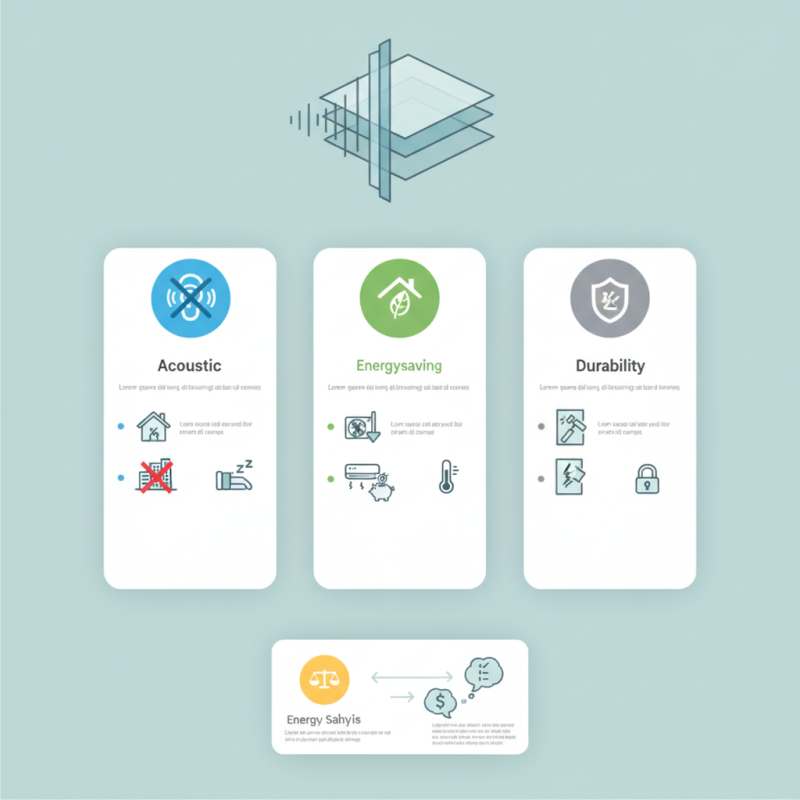
Acoustic laminated glass offers many advantages for buyers looking to enhance their living or working environments. This specialized glass consists of two or more layers of glass, bonded with an acoustic interlayer. This design significantly reduces outside noise, providing a quieter and more comfortable space.
One noticeable benefit is the enhanced comfort it brings. People living in busy urban areas often struggle with noise pollution. Acoustic laminated glass reduces sound transmission effectively, creating a serene atmosphere indoors. This feature can lead to better concentration, especially in workplaces. It also supports mental well-being by minimizing disruptions.
Additionally, safety and security are vital considerations. Acoustic laminated glass is tougher than standard glass, making it more resistant to breakage. This added strength provides peace of mind for buyers, knowing their spaces are secure. However, potential buyers must consider the installation process and costs. Understanding these factors is crucial for making informed decisions about integrating acoustic laminated glass into their projects.
Acoustic laminated glass is an excellent choice for those seeking enhanced sound insulation. It features a special interlayer that minimizes sound transmission. This type of glass can significantly reduce noise from traffic, construction, or nearby neighbors. Homeowners will appreciate a quieter living environment, leading to improved comfort and relaxation. Whether in a bustling city or a noisy suburb, acoustic laminated glass offers a peaceful retreat.
For buyers considering this option, it’s essential to think about specific noise levels in your area. If you live near a busy road or airport, acoustic laminated glass can make a considerable difference. It tends to absorb and dampen sound waves effectively. Make sure to consult with a professional to evaluate your needs. They can provide insights into the best glass thickness and interlayer options for optimal results.
Tips: When installing acoustic laminated glass, ensure a proper seal around the edges for maximum effectiveness. Regular maintenance is also key. Clean the glass using gentle solutions to avoid scratches. Consider double-checking the installation to confirm there are no gaps, as these can compromise sound insulation.
Acoustic laminated glass offers significant advantages, particularly in safety and durability. Unlike standard glass, laminated varieties have a special interlayer that binds the glass sheets together. This design helps prevent shattering, making it an ideal choice for homes in busy urban areas. In the event of an impact, the glass stays intact. This feature not only reduces the risk of injury but also minimizes potential damage during storms or accidents.
When considering laminated glass, it's crucial to assess your specific needs. Think about where you'll use it. For instance, using acoustic laminated glass in bedrooms can provide a quieter environment, enhancing sleep quality. In high-traffic areas, the impact resistance can offer peace of mind.
Tip: Always consult with a professional for installation. Proper fitting is essential for maximizing the benefits. Remember, the initial investment might seem high, but the long-term safety and noise reduction can outweigh the costs. It’s worth noting that while laminated glass is highly durable, it is not indestructible. Routine maintenance is important to ensure its longevity.
| Benefits | Description | Estimated Impact |
|---|---|---|
| Increased Safety | Laminated glass is designed to hold together when shattered, reducing the risk of injury from falling shards. | High |
| Enhanced Acoustic Performance | The layer of PVB (polyvinyl butyral) between the glass panels significantly reduces noise pollution. | Moderate to High |
| UV Protection | Laminated glass can block up to 99% of harmful UV rays, protecting interior furnishings from fading. | High |
| Structural Integrity | Laminated glass is typically stronger than regular glass, providing better resistance to impacts and weather conditions. | High |
| Energy Efficiency | The insulation properties of laminated glass can lead to reduced energy costs by improving thermal performance. | Moderate |
Acoustic laminated glass offers significant advantages, especially in
energy efficiency. This type of glass is engineered with multiple layers and
a sound-dampening interlayer. As a result, it not only blocks out noise but also provides impressive thermal insulation.
Homeowners can expect reduced energy costs due to better temperature regulation inside their homes.
The thermal properties of acoustic laminated glass create a barrier against extreme weather. In the summer, it reflects
heat, keeping interiors cooler. During winter, it retains warmth, making spaces cozy.
This leads to a more comfortable living environment with less reliance on heating and cooling systems. Such efficiency
can translate to lower utility bills, which buyers find appealing.
However, it's important to reflect on whether the initial investment is worth it. While acoustic laminated glass can be
pricier than regular glass, the long-term savings in energy costs often justify this. Buyers should consider their specific
needs and local climate. Investing in quality materials like acoustic laminated glass may be beneficial, but each buyer
must evaluate their personal circumstances.
Acoustic laminated glass is increasingly popular for both residential and commercial spaces. It not only enhances sound insulation but also improves aesthetic appeal. This type of glass consists of two or more layers bonded together with a special interlayer, which reduces noise pollution effectively. According to a report by the National Glass Association, homes equipped with acoustic laminated glass can experience up to a 50% reduction in outdoor noise levels.
Visually, acoustic laminated glass offers a sleek and modern look. Its clarity enhances natural light, making spaces feel more open. The glass is available in various colors and textures, allowing customization that suits different architectural styles. With design flexibility, builders often find that this type of glass aligns with energy efficiency goals, as it can also help in maintaining indoor temperatures.
Despite its benefits, some may find acoustic laminated glass's initial cost a barrier. It typically costs more than regular glass, which can deter budget-conscious buyers. However, the long-term savings on energy and potential resale value often offset these initial expenses. As reported by the American Institute of Architects, investing in high-quality materials can enhance property value significantly. It raises a question: is it worth the investment for enhanced comfort and visual appeal?
: It provides sound insulation and thermal efficiency, leading to reduced energy costs.
It blocks heat in summer and retains warmth in winter, creating a stable indoor temperature.
Yes, it can lower utility bills due to better temperature regulation in homes.
Yes, it offers a modern look and various color options, enhancing natural light in spaces.
Yes, it can be costlier than regular glass, which may deter some buyers.
Consider your budget and needs. Long-term savings often justify the initial expense.
Yes, it can reduce outdoor noise levels by up to 50%, enhancing comfort indoors.
Yes, it comes in different textures and colors, allowing for customization in design.
Yes, high-quality materials may enhance resale value significantly over time.
Each buyer needs to evaluate their personal circumstances and local climate conditions.
Acoustic Laminated Glass offers a range of benefits that make it an appealing choice for buyers seeking both functionality and aesthetic value. One of its primary advantages is enhanced sound insulation; this specialized glass significantly reduces noise transmission, creating a more peaceful indoor environment. Additionally, it provides increased safety and durability, as the laminated structure can withstand impacts better than standard glass, making it an excellent option for both residential and commercial settings.
Moreover, Acoustic Laminated Glass contributes to energy efficiency by improving thermal insulation, which can lead to reduced heating and cooling costs. Buyers also appreciate its aesthetic appeal, as it combines visual elegance with practical benefits. Overall, the unique properties of Acoustic Laminated Glass make it a valuable investment for anyone looking to enhance their space in multiple ways.

BYG.GLASS