The demand for Coloured Glass has surged globally, reflecting its versatility in design and architecture. Buyers often seek reliable suppliers who can provide various options, from vibrant hues to unique textures. China stands out as a dominant player in the Coloured Glass market, offering a range of products that cater to specific needs.
Chinese manufacturers excel in producing high-quality Coloured Glass for both aesthetic and practical applications. Their experience in the industry allows them to create innovative designs that align with global trends. However, not all suppliers meet the same standards. It’s crucial for buyers to research and verify the credibility of potential partners.
While many suppliers promise excellence, some may fall short. It’s essential to analyze their production processes and quality control measures. Transparency in sourcing materials can also impact sustainability. Buyers should consider these factors when selecting suppliers to ensure reliable partnerships and superior products in the world of Coloured Glass.
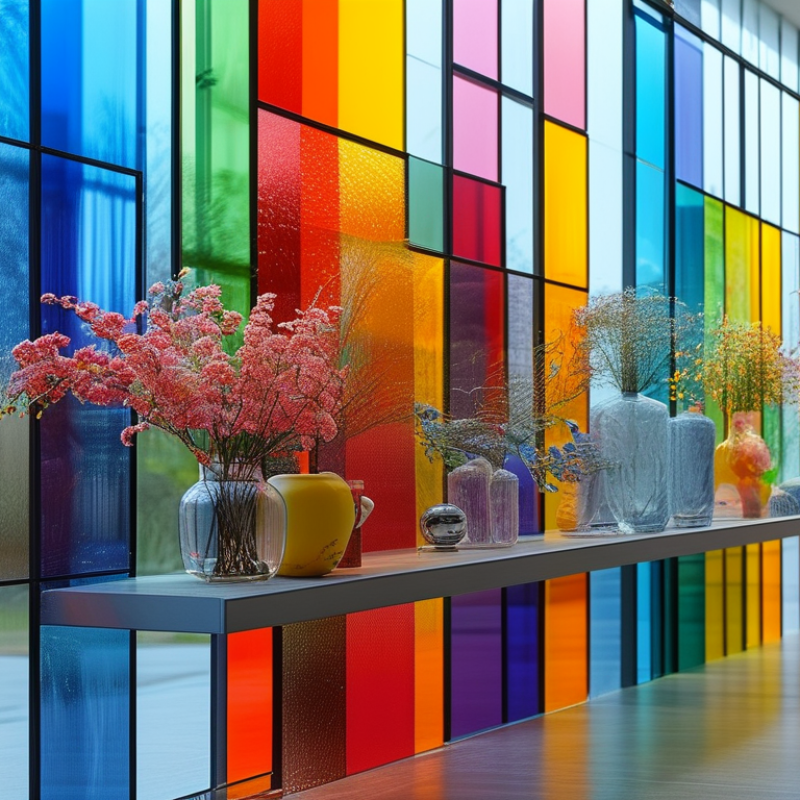
China has emerged as a powerhouse in coloured glass production. The country dominates the market, producing a vast array of coloured glass products. This includes bottles, containers, and decorative items. The technological advancements in manufacturing processes have significantly contributed to this growth. Factories utilize innovative techniques to meet international quality standards.
The availability of raw materials is another key factor. China has access to a range of minerals and chemicals needed for glass production. This local sourcing reduces costs and increases efficiency. However, there are concerns regarding environmental practices. Some factories face scrutiny over waste management and pollution control. The balance between production and sustainability is still a work in progress.
Many global buyers regard Chinese suppliers as reliable partners. They often seek competitive pricing and diverse product options. However, buyers should remain cautious. Quality can vary significantly across manufacturers. Conducting thorough research and demand transparency in production practices is essential. Buyers must ensure they align with suppliers' capabilities and ethical standards.
| Supplier Type | Annual Production Capacity (tons) | Main Product Categories | Export Markets | Certifications |
|---|---|---|---|---|
| Manufacturer | 5000 | Colored Flat Glass, Decorative Glass | Europe, Asia, North America | ISO 9001, CE |
| Wholesale Distributor | 3000 | Colored Bottles, Tableware Glass | Latin America, Africa | FDA, SGS |
| Retailer | 2000 | Decorative Jars, Glass Art | Middle East, Oceania | BSCI, FSC |
| Artisan Workshop | 1000 | Handmade Glass, Custom Designs | Global | None |
: Innovative technologies and design trends are key drivers. They enhance efficiency and reduce waste.
Many leading suppliers use recycled materials and invest in energy-efficient technologies. Solar energy is often incorporated.
Smaller suppliers struggle to keep up with larger competitors and may face questions about their long-term viability.
Rapid scaling can lead to inconsistent quality. Suppliers need to maintain high standards.
Custom solutions are increasingly popular. Buyers seek unique pieces tailored to their needs.
Balancing quality with cost remains a significant challenge as competition intensifies.
Informed buyers prefer suppliers that show ethical practices. This trend can affect market relevance.
They must analyze and improve production methods to ensure consistent quality.
Automated processes enhance precision and production speed, opening opportunities for customization.
Not all suppliers prioritize eco-friendly methods. Traditional practices hinder progress in sustainability.
China has established itself as a dominant force in the global coloured glass market, with significant contributions to production and exports. The country's coloured glass industry is characterized by several key players that have emerged as leaders, highlighting the competitive landscape of this sector. Recent trends indicate a growing global demand for coloured glass, driven by innovative techniques and designs that enhance aesthetics and functionality in various applications.
Moreover, the industry is experiencing noteworthy growth fueled by innovations that improve production efficiency and product quality. In addition, sustainability practices among top coloured glass suppliers are becoming increasingly important, reflecting a commitment to environmental stewardship and responsible manufacturing. As China's coloured glass sector continues to evolve, it is likely to maintain its pivotal role in meeting international market needs while adhering to sustainable practices.

 BYG.GLASS