How to Choose Low E Glass Windows for Your Home?

Time:2026-05-31 Author:Mason
0%

Choosing the right windows for your home can be overwhelming. Among various options, Low E Glass Windows stand out for their energy efficiency and comfort. These windows feature a special coating that reflects heat and protects against UV rays. This can significantly lower energy costs, making them a worthy investment.

Homeowners often underestimate the importance of window selection. The wrong choice can lead to increased energy bills and discomfort. Low E Glass Windows not only enhance aesthetics but also improve insulation. Imagine enjoying natural light without the heat that comes with it.

Understanding Low E Glass Windows requires some research. You must consider factors like climate, orientation, and frame materials. This can feel daunting, but the right information can simplify the process. Always look for credible sources and expert advice to guide your decision. Balancing aesthetics and functionality is essential for a successful upgrade.
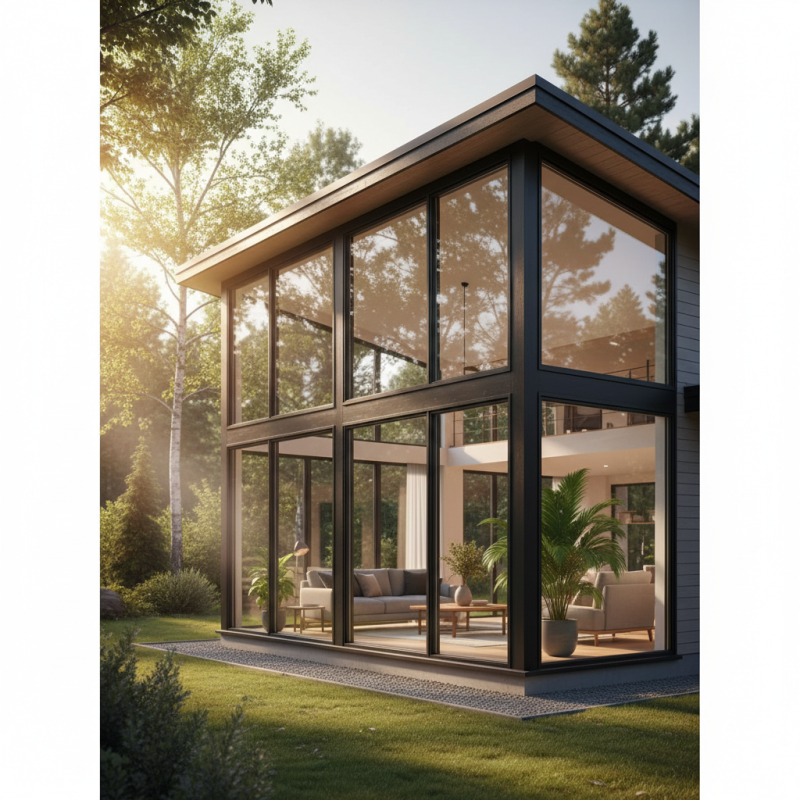
How to Choose Low E Glass Windows for Your Home?

Understanding Low E Glass: Definition and Benefits

Low E glass, or low emissivity glass, is designed to minimize heat transfer. It features a microscopic coating that reflects infrared energy while allowing visible light to enter. This dual function helps maintain comfortable indoor temperatures. According to the Efficient Windows Collaborative, replacing standard glass with low E glass can reduce energy costs by up to 25-30%. This statistic highlights its potential benefits for homeowners aiming to enhance energy efficiency.

The advantages of low E glass extend beyond energy savings. These windows block up to 99% of harmful UV rays, which can fade furniture and flooring. A study by the U.S. Department of Energy indicates that homes with low E glass installations can experience significant reductions in fade damage.

However, it's crucial to consider the specific climate and orientation of your home when choosing low E glass. The effectiveness of low E coatings can vary significantly based on these factors.

While low E glass offers numerous benefits, it is not a one-size-fits-all solution. In some cases, the reflective nature of low E coatings may alter how light enters your home. This can impact the warmth and aesthetic feel of your interior spaces. Homeowners need to weigh these potential drawbacks against the advantages. Careful consideration will help ensure that low E glass contributes positively to their living environment.

Types of Low E Glass: Choosing the Right One for Your Climate

Choosing the right low E glass window is crucial for energy efficiency. Different types exist for distinct climates. In colder areas, you want low E glass that reflects heat back into the home. This keeps your space cozy during winter months. For warmer climates, consider low E glass designed to block heat, helping to maintain cool indoor temperatures.

Consider the specific features of low E glass. Some options have a slight tint that reduces glare. Others might offer a clear view with minimal distortion. These choices cater to your preferences and environment. Many homeowners overlook how these features impact comfort. They want aesthetics without realizing the hidden benefits of energy savings.

Think about positioning when choosing low E windows. South-facing windows benefit from heat gain in winter. Yet, they need protection from summer heat. It’s essential to weigh all these factors. Reflect on your lifestyle and needs. Balancing energy efficiency and aesthetics can be complex, but worth the effort.

Energy Efficiency of Different Types of Low E Glass

Factors to Consider When Selecting Low E Glass Windows

When selecting Low E glass windows, understanding the essential factors is crucial. Low E glass is designed to minimize heat transfer and block harmful UV rays while allowing natural light. First, consider the climate in your area. In colder regions, you may want windows with a higher insulating value. This helps maintain warmth indoors during winter. In warmer climates, look for Low E glass that reflects heat away.

Another factor is the orientation of your home. If your windows face south, you might prefer a Low E coating that reduces glare and keeps your home cooler. Conversely, for north-facing windows, prioritizing insulation can enhance comfort.

Tips: Always check the NFRC ratings for energy efficiency. This can guide your decision based on performance metrics. Don't forget to assess the aesthetics of your options. The right Low E glass can enhance your home’s overall look while improving energy efficiency.

Finally, think about long-term costs versus initial investments. High-quality Low E windows may cost more upfront but can lead to savings on energy bills. Reflect on your priorities and make an informed decision that aligns with your home's needs.

How to Choose Low E Glass Windows for Your Home? - Factors to Consider When Selecting Low E Glass Windows

Factor Description Impact on Energy Efficiency
Type of Low E Coating Choose between soft coat and hard coat depending on climate and needs. Different coatings offer varying levels of energy efficiency.
U-Factor Measures how well the window insulates against heat transfer. Lower U-factor means better insulation and energy savings.
Solar Heat Gain Coefficient (SHGC) Indicates how much solar radiation is admitted through the window. Affects cooling costs, especially in warmer climates.
Visible Transmittance (VT) Refers to the amount of visible light transmitted through the glass. Higher VT allows more natural light, reducing lighting costs.
Frame Material Choose between vinyl, wood, aluminum, etc., each with different insulative properties. Material affects overall performance and durability.
Argon/Krypton Gas Fill Inert gases fill the space between panes to improve insulation. Enhances energy efficiency by reducing heat transfer.
Window Size and Orientation Assess how size and direction affect heating and cooling. Impacts energy performance and potential savings.

Installation and Maintenance Tips for Low E Glass Windows

When installing Low E glass windows, proper preparation is essential. Ensure that your window frames are clean and dry before installation. Dust and moisture can affect the adhesive and sealing. Take the time to measure correctly; even a slight error can lead to issues down the line.

During the installation process, handle the glass carefully. Use gloves to avoid fingerprints, which can hinder performance. Be mindful of the weather; extreme temperatures can impact the installation. Remember that sealing is crucial for energy efficiency. Gaps can lead to leaks and condensation, undermining the benefits of Low E coatings.

Maintenance is equally important. Inspect the seals regularly for wear and tear. Clean the glass with mild soap and water, avoiding harsh chemicals. This preserves the Low E coating's effectiveness. If issues arise, consult a professional to avoid compromising your window’s performance. Regular check-ups can extend the life of your windows. This may seem tedious, but it ultimately saves money and resources.

Cost Analysis: Budgeting for Low E Glass Windows in Your Home

Choosing low E glass windows can be a significant investment for your home. Understanding the costs involved is crucial. Low E glass can help reduce energy bills, but initial costs can vary widely. It's essential to consider both the upfront price and the long-term savings.

When budgeting for low E glass, gather quotes from several suppliers. Compare installation costs and ensure they include labor. Some homeowners may not realize that prices can also change based on window style. Custom shapes or larger sizes often increase costs. Be ready to negotiate if possible.

Tips: Consider energy rebates or tax incentives. Many local programs offer financial help for energy-efficient upgrades. Research these options to offset initial expenses. Also, think about the warranty provided. A good warranty can save you money in the long run. It’s wise to weigh the pros and cons of your choices. Reflect on whether the immediate costs fit your budget while still meeting energy efficiency goals.

FAQS

: What is low E glass used for?

: Low E glass is used to enhance energy efficiency in windows. It can reflect heat back into or away from your home.

What type of low E glass is best for cold climates?

In cold climates, use low E glass that reflects heat back into your home. This helps maintain warmth during winter.

How does low E glass help in warmer climates?

Low E glass designed for warmer regions blocks heat. It keeps indoor spaces cool and comfortable in hot conditions.

Are there different styles of low E glass?

Yes, low E glass options vary. Some have tints to reduce glare while others provide clear views with minimal distortion.

Do I need to consider window positioning?

Absolutely. South-facing windows need heat gain in winter but protection from summer heat. Positioning is key for efficiency.

How can I budget for low E glass windows?

Collect quotes from suppliers. Compare costs including installation. Custom sizes can increase prices, so plan accordingly.

Are there financial incentives for installing low E glass?

Many local programs offer rebates or tax incentives for energy-efficient upgrades. Research these options to save money.

What should I look for in warranties?

A good warranty can protect your investment. It may save money on repairs or replacements in the long run.

How do aesthetics affect energy efficiency?

Some homeowners prioritize looks over efficiency. Reflect on how style choices can still support energy savings and comfort.

Is it worth the investment for low E glass?

While the initial cost may be high, consider long-term savings on energy bills. Balance costs with potential benefits.

Conclusion

Low E Glass Windows are a popular choice for homeowners looking to enhance energy efficiency while maintaining comfort. These windows are engineered with a low-emissivity coating, which helps to reflect heat while allowing natural light to pass through. Understanding the different types of Low E Glass is crucial, as choosing the right one depends on your specific climate. Each variant offers unique benefits, and selecting the right type can significantly impact your home's energy performance.

When considering Low E Glass Windows, factors such as local weather conditions, installation requirements, and maintenance practices play a vital role in the selection process. It's also essential to perform a cost analysis to ensure that the budget aligns with your goals. By weighing these considerations, homeowners can make informed decisions that lead to sustainable savings and increased comfort in their living spaces.


Mason

Mason

Mason is a seasoned marketing professional with a deep expertise in the company's offerings and a passion for driving brand awareness. With a strong background in digital marketing strategies, he has an innate ability to connect with diverse audiences and effectively communicate product benefits.......