Essential Tips for Choosing Insulated Glass Windows?

Time:2026-06-01 Author:Oliver
0%

When selecting insulated glass windows, it’s crucial to understand their importance. These windows play a vital role in energy efficiency and comfort. Insulated Glass Windows can help maintain consistent indoor temperatures, thus reducing energy bills. They are designed to keep heat in during winter and out during summer.

However, not all insulated glass windows are created equal. Different manufacturers have varying levels of quality and performance. Research is key when considering the materials and construction methods used. Pay attention to the R-value and the gas fill between panes, as these factors dramatically impact insulation effectiveness.

Choosing the wrong product can lead to significant issues later. For instance, poor-quality windows might not provide adequate thermal protection. They can even lead to condensation problems. Thus, it’s essential to weigh your options carefully. Take the time to consult experts and read reviews. This diligence can help ensure you make a sound investment in your home.
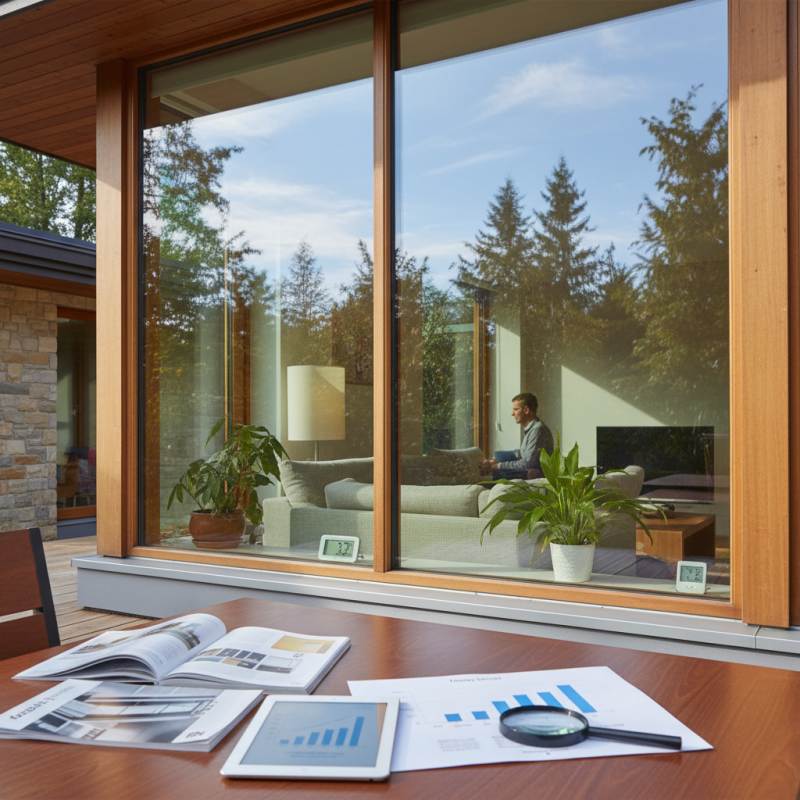
Essential Tips for Choosing Insulated Glass Windows?

Understanding Insulated Glass Windows and Their Benefits

Insulated glass windows are designed for energy efficiency and comfort. They consist of two or more glass panes separated by a spacer filled with gas. This design minimizes heat transfer, which can significantly reduce heating and cooling costs. Proper insulation can keep your home warm in winter and cool in summer.

One notable benefit is noise reduction. The space between the glass panes can also absorb sound waves. This makes insulated glass windows an excellent choice for homes in busy areas. However, not all insulated glass is created equal. Factors like gas fill and seal quality play a crucial role. It's important to do thorough research before making a decision.

While these windows are advantageous, they can be more expensive upfront. Installation requires precision to ensure proper sealing. If not done correctly, condensation can occur between the panes, defeating their purpose. It's vital to choose experienced professionals for installation. Reflect on your needs and weigh long-term savings against initial costs.

Key Performance Metrics: U-Value, Solar Heat Gain, and More

When selecting insulated glass windows, understanding key performance metrics is crucial. The U-Value measures thermal transmission. It indicates how well a window insulates. A lower U-Value means better insulation. For example, windows with a U-Value of 0.20 are significantly more energy-efficient than those with a value of 0.30. This affects heating and cooling costs remarkably.

Another important metric is the Solar Heat Gain Coefficient (SHGC). SHGC measures how much solar radiation passes through a window. A lower SHGC is better for warmer climates. In contrast, higher SHGC is advantageous in colder areas. According to the National Fenestration Rating Council, an SHGC of 0.25 to 0.30 is often ideal for temperate regions. However, some may overlook the trade-offs between SHGC and daylighting.

Beyond U-Value and SHGC, consider condensation resistance indices. This metric shows how well a window can manage moisture and prevent condensation. The American Architectural Manufacturers Association recommends a minimum rating of 50 for residential windows. Neglecting this can lead to mold and structural issues. It is essential to evaluate various metrics to select windows wisely. Balancing performance with aesthetics can be challenging. Always refer to reliable data for informed decisions.

Essential Tips for Choosing Insulated Glass Windows

Performance Metric Description Ideal Range Impact on Energy Efficiency
U-Value Measures the insulating effectiveness of a window; lower values indicate better insulation. 0.20 - 0.30 W/m²K High impact; a low U-Value reduces heating and cooling costs.
Solar Heat Gain Coefficient (SHGC) Measures how much solar radiation is admitted through a window; lower values reduce cooling demands. 0.25 - 0.40 Significant; affects cooling load and comfort by impacting solar heat entry.
Visible Transmittance (VT) Amount of visible light transmitted through a window; higher values provide more natural light. 0.40 - 0.60 Moderate impact; affects lighting needs and aesthetic comfort.
Air Leakage Measures the amount of air that can pass through a window; lower values indicate better seals. < 0.3 cfm/ft² Crucial; helps improve overall energy efficiency by reducing drafts.
Sound Transmission Class (STC) Rating of how well a window attenuates sound; higher values indicate better soundproofing. >= 30 Important; enhances comfort by reducing external noise interference.

Material Choices: Pros and Cons of Different Frame Options

Choosing the right frame for insulated glass windows can significantly impact energy efficiency. There are various materials available, each with distinct pros and cons. Vinyl frames are popular for their affordability and low maintenance. They offer good insulation but may not be as durable in extreme climates.

Aluminum frames are strong and lightweight. They allow for larger windows but conduct heat, which can lead to energy loss. While they can be aesthetically pleasing, proper thermal breaks are essential for efficiency.

Wood frames offer excellent insulation but require regular maintenance. Moisture can be a concern over time, causing issues like rotting.

Here are some tips to consider:

  • Look for frames with high R-values for better insulation.
  • Don’t overlook energy-efficient glass; it can complement your choice of frame.
  • If aesthetics matter, consider the architectural style of your home.
Ultimately, balancing durability, maintenance needs, and costs will lead you to the best choice for your project. Each material has unique benefits and limitations. Take the time to weigh these factors carefully.

Understanding Thermal Breaks and Their Importance in Insulation

Thermal breaks are critical elements in insulated glass windows. They are materials that reduce heat transfer between different environments. Without thermal breaks, windows can suffer significant heat loss. This can lead to higher energy bills and discomfort indoors.

Understanding thermal breaks helps in selecting the right windows. Choose products that specify the use of high-quality thermal break materials. Look for certifications that assure their effectiveness. Poor thermal break quality may compromise insulation, leading to condensation issues.

Inconsistent temperature regulation can occur if thermal breaks are ignored. It can be frustrating when your space feels cold in winter and hot in summer. Factors like climate and window orientation also influence performance. Researching these elements can guide your choice and prevent regrets later on. A well-informed decision can enhance energy efficiency and comfort in your home.

Installation Best Practices for Maximizing Energy Efficiency

When installing insulated glass windows, attention to detail is crucial. Ensure proper measurements before purchase. An inaccurate size can lead to significant energy loss. Gaps around the frame allow air infiltration, affecting comfort and energy efficiency. Use a level during installation. Windows must be straight to prevent future issues.

Sealing is equally important. High-quality caulk minimizes air leaks and moisture intrusion. Pay close attention to corners and joints. Even a small crack can compromise energy savings. If you are unsure about your sealing technique, consult with a professional for guidance.

Consider selecting Low-E coatings for your insulated glass. This can reflect heat back indoors during winter and keep it out during summer. Such choices enhance overall efficiency. Regular maintenance also plays a role. Check seals and frames annually. Address any wear or damage immediately to maintain performance. Energy efficiency requires a proactive approach.

FAQS

: What are insulated glass windows?

: Insulated glass windows consist of two or more panes with a gas-filled spacer. They improve energy efficiency.

How do insulated glass windows reduce energy costs?

They minimize heat transfer, keeping homes warm in winter and cool in summer. This leads to reduced heating and cooling costs.

What is an additional benefit of insulated glass windows?

They can reduce noise pollution, making them ideal for homes in busy areas. The space between panes absorbs sound waves.

Are insulated glass windows expensive to install?

Yes, they have a higher upfront cost and require precise installation. Poor installation can lead to issues like condensation.

What frame materials are best for insulated glass windows?

Common options include vinyl, aluminum, and wood. Each has pros and cons regarding insulation, durability, and maintenance.

Why is professional installation important?

Experienced professionals ensure proper sealing and alignment. Incorrect installation can lead to increased energy loss.

What can cause condensation between window panes?

Poor sealing during installation can allow moisture to enter. This defeats the purpose of insulation.

How can I enhance energy efficiency during installation?

Use quality caulk for sealing and consider Low-E coatings. These choices improve performance in different seasons.

How often should I maintain insulated glass windows?

Annual maintenance is advisable. Check seals and frames for wear and address any issues promptly.

What should I reflect on before choosing insulated glass windows?

Weigh initial costs against long-term savings and consider your specific needs for comfort and energy efficiency.

Conclusion

Insulated glass windows are an essential component in modern energy-efficient buildings, providing significant benefits such as improved thermal comfort and reduced energy costs. Understanding the key performance metrics, including U-value and solar heat gain, is crucial for making informed choices. These metrics help determine the effectiveness of the windows in regulating indoor temperatures.

When selecting insulated glass windows, it's important to consider the materials used for the frames, as different options come with their own pros and cons. Additionally, the concept of thermal breaks plays a vital role in enhancing insulation properties. Proper installation practices further maximize the energy efficiency of insulated glass windows, ensuring that homeowners reap the full advantages of their investment. By considering these factors, one can make an educated decision that leads to long-lasting comfort and savings.


Oliver

Oliver

Oliver is a seasoned marketing professional with a wealth of expertise in driving brand awareness and engagement. With a deep understanding of our company's product offerings, he consistently delivers high-quality content that enriches our professional blog. His insights not only shed light on......