Choosing among China’s top Tempered Safety Glass manufacturers requires more than comparing prices or factory photographs. This guide examines practical indicators that reveal manufacturing capability, quality control, and dependable communication. It considers suppliers serving architectural, automotive, furniture, shower enclosure, and interior glass applications.
Reliable manufacturers usually explain their production process clearly. Their facilities may include cutting tables, CNC edge-processing equipment, tempering furnaces, and inspection stations. These details matter. They influence optical clarity, edge quality, flatness, and breakage performance. Buyers should request test reports, product specifications, sample approval, and batch traceability before placing large orders. Relevant standards may include GB, EN, ASTM, or other project-specific requirements. The correct standard depends on the destination market and application.
Experience also appears in small details. Can the supplier recommend suitable thicknesses? Do they discuss holes, notches, coatings, tolerances, and packaging risks? Can they provide photographs of crates, corner protection, and loading procedures? A professional manufacturer should answer these questions with evidence, not vague promises. Still, no supplier is perfect. A polished website proves little. Even experienced factories can face delays, color variation, or damage during transport. That is why independent inspection, written acceptance criteria, and clear after-sales procedures remain valuable.
This overview aims to help importers, contractors, designers, and distributors compare China Tempered Safety Glass manufacturers more carefully. It focuses on verifiable capability rather than advertising language. The strongest choice is not always the cheapest. It is the supplier that consistently delivers safe, compliant, and well-documented glass for the intended project.
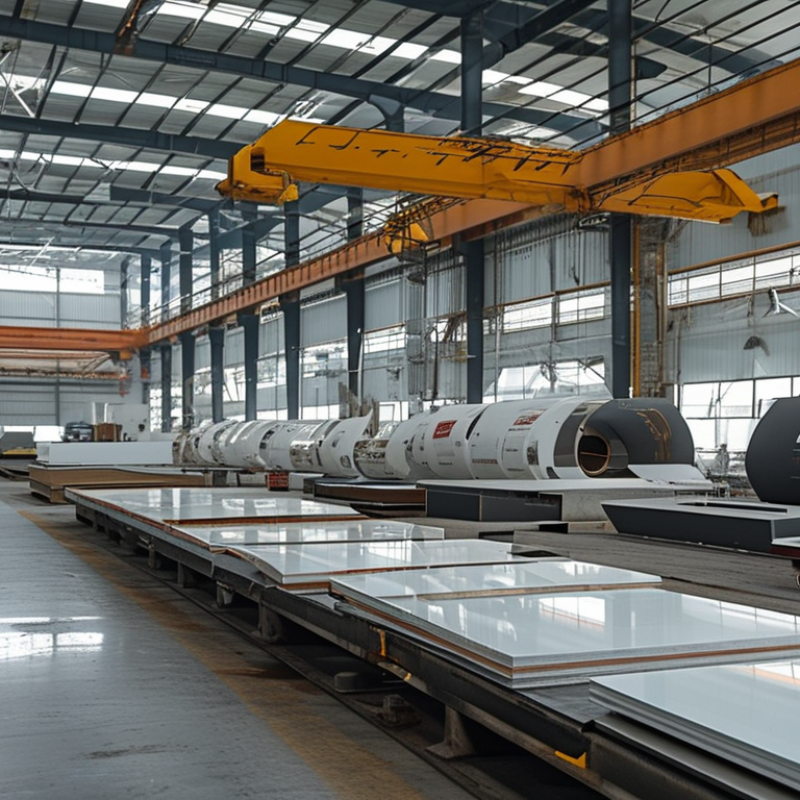
Tempered safety glass is ordinary architectural glass strengthened through controlled heating and rapid cooling. This process creates compression on the surfaces and tension inside the panel. As a result, the glass becomes several times stronger than untreated glass against impact and thermal stress. However, it is not unbreakable.
When breakage occurs, properly tempered glass usually crumbles into small, blunt-edged fragments. That behavior can reduce severe cutting injuries in doors, shower enclosures, partitions, vehicle windows, and furniture.
The difference is important in busy spaces. A large broken sheet can fall like a dangerous curtain. Tempered glass usually creates a safer cleanup area, though fragments can still hurt people.
Reliable manufacturers control every stage.
Edges must be cut, drilled, and polished before tempering because later modification may cause sudden failure. Experienced production teams also check heating uniformity, cooling pressure, surface distortion, and fragment size. Independent testing and clear batch traceability add useful confidence. During inspections, I look for scratches, roller marks, uneven reflections, and weak edge work. Small defects matter.
Some buyers focus only on thickness or price. That is an incomplete comparison. Glass performance also depends on dimensions, installation support, hardware, and building conditions. A panel may pass factory testing yet fail after improper handling or poor fitting.
No glass is perfectly safe. Even certified products require careful design, transport, installation, and regular inspection.
How to Evaluate China’s Tempered Safety Glass Manufacturers
Evaluating China’s tempered safety glass manufacturers requires more than comparing unit prices. UNEP’s 2023 Global Status Report states that buildings and construction created 37% of global energy-related emissions in 2022. This increases demand for reliable glazing, not merely cheaper glass. Request factory evidence for furnace temperature records, quench settings, edgework, and batch traceability. A serious supplier should connect each crate to inspection records and production dates. Ask for reports aligned with EN 12150-1, ASTM C1048, or your project’s required standard. EN 12150-1 generally requires at least 40 fragments within a 50 × 50 millimetre test area for applicable panes. Confirm the exact product scope.
Check the physical process. Uneven heating can produce roller wave, anisotropy, or optical distortion visible beside a straight window frame. Inspect sample edges under strong side lighting. Measure thickness, length, width, hole positions, and corner radii with calibrated tools. It is not enough. Review third-party testing, calibration certificates, worker training, and corrective-action records. The International Energy Agency reports that buildings account for roughly 30% of global energy demand, yet tempered glass alone does not guarantee energy efficiency. Low-emissivity coatings, frame design, and installation also matter. A factory may show excellent samples while controlling production weakly. That possibility deserves attention. Compare recent shipment records, packaging protection, replacement procedures, and communication during complaints. A low quotation can become expensive when one damaged crate delays installation.
This evaluation framework uses practical purchasing criteria for tempered safety glass: certification and standards compliance, quality consistency, testing capability, production capacity, and export support. Buyers can adjust the weighting according to project risk, destination-market regulations, and delivery requirements.
China’s leading tempered safety glass manufacturers are best assessed by capability, not production volume alone. Grand View Research identifies construction as a major driver of architectural glass demand, increasing pressure for reliable processing and short lead times. Strong manufacturers typically operate continuous furnaces, computerized cutting lines, and controlled quenching systems. They should handle common thicknesses from 4 to 19 millimeters, while maintaining stable flatness and edge quality.
A capable supplier profile includes heat-soak testing, ceramic frit printing, holes, notches, and shaped panels. It also includes documented compliance with standards such as EN 12150, ASTM C1048, and local building requirements. Factory audits should examine furnace calibration records, fragmentation tests, glass identification, and packing methods. A small edge chip can become a costly failure after installation. That detail is easy to overlook.
The U.S. Department of Energy reports that windows can represent roughly 25% to 30% of residential heating and cooling energy use. This makes low-emissivity coatings and insulated glass integration important product capabilities, not optional upgrades. Leading manufacturers often combine tempered panes with coatings, spacers, and laminated interlayers through qualified partners. However, bigger capacity does not always mean better consistency. Some suppliers still provide attractive samples but weak documentation. Buyers should request recent test reports, batch traceability, and physical samples before approving a production order.
China’s leading tempered safety glass manufacturers should be judged by controlled production, not catalog claims. A 2024 Fortune Business Insights report estimates steady growth in the global flat glass market, driven by construction and energy-efficient buildings. That growth increases pressure on factories to prove consistency. ISO 9001 certification supports documented quality systems, but it does not replace product testing.
Reliable plants commonly follow standards such as ASTM C1048, ANSI Z97.1, or EN 12150, depending on the destination market. These standards address impact performance, fragmentation, dimensions, and thermal treatment. During production, float glass is cut and edge-finished before heating. It then enters a tempering furnace, often near 620–680°C, followed by rapid air quenching. After tempering, cutting is impossible. Small edge defects can become serious breakage risks.
Quality teams should inspect roller-wave distortion, surface stress, flatness, and fragment size. Heat-soak testing may help identify nickel sulfide inclusions, although it cannot guarantee complete elimination. Independent laboratories should verify safety performance through sampled batch tests. According to a 2023 report from MarketsandMarkets, construction remains a major application for architectural glass, making traceability increasingly important.
Ask for calibration records, furnace temperature logs, inspection reports, and certification scope. Factory audits also reveal practical details, such as dusty storage areas or poorly protected edges. Certificates can look impressive. The process may still be weak. A better supplier shares corrective-action records and accepts third-party inspection before shipment. That openness is not perfection, but it is useful evidence.
Choosing among China’s top tempered safety glass manufacturers requires more than comparing quotations. The global flat glass market was valued at about USD 120.6 billion in 2023, according to Grand View Research. Growing demand attracts capable factories and rushed suppliers. Request evidence, not promises.
Check whether the factory can meet EN 12150, ASTM C1048, or your project’s required standard. Ask for recent fragmentation, surface-stress, heat-soak, and optical-distortion reports. Confirm the testing laboratory and report date. A reliable supplier should provide batch numbers, furnace records, and traceable packing photos. It should also explain its tempering furnace capacity, glass thickness range, edgework limits, and dimensional tolerance. Small details matter. One overlooked corner can delay installation.
The European Commission’s glass-manufacturing BREF identifies melting as a major energy-intensive stage, so production consistency deserves attention. Audit furnace temperature control and inspect sample pieces under angled light. Compare rejected rates, not only unit prices. Ask how the manufacturer handles scratches, breakage, remake costs, and export packaging. A factory that answers slowly may still produce good glass, but that uncertainty needs a cost. I would also order a pilot batch before approving mass production. It feels inefficient. It often prevents expensive surprises. Some buyers focus too heavily on certificates and forget practical communication. That is a mistake worth reconsidering.
Request furnace temperature logs, quench settings, inspection reports, and batch traceability records. Each crate should connect to production dates.
A cheap quotation may hide weak packaging, poor inspection, or delayed replacements. One damaged crate can stop installation.
View the sample beside a straight frame under strong side lighting. Look for roller wave, anisotropy, and optical distortion.
Use calibrated tools to measure thickness, length, width, hole positions, and corner radii. Small errors can affect installation.
Ask for certification scope, calibration records, worker training evidence, and recent independent test reports. Certificates alone are not proof.
Glass is cut and edge-finished before heating. It is commonly heated near 620–680°C, then rapidly air-quenched.
No. It may identify some nickel sulfide inclusions, but it cannot guarantee complete prevention. This limitation matters.
Inspect storage areas, edge protection, production records, and corrective actions. Dusty floors and exposed edges suggest weak control.
Compare recent shipment records, crate protection, sampled batch tests, and complaint handling. Ask for third-party inspection before loading.
No. Low-emissivity coatings, frame design, and installation also influence energy use. Glass is only one part.
Tempered Safety Glass is heat-treated glass designed to provide greater strength, thermal resistance, and safety than ordinary glass. When broken, it usually fragments into small, relatively blunt pieces, making it suitable for applications such as doors, windows, partitions, shower enclosures, facades, and furniture. This article explains why the material is important and how buyers can assess manufacturers in China by reviewing production capacity, technical expertise, customization options, quality control systems, delivery reliability, and customer service.
It also introduces common manufacturer capabilities, including different thicknesses, sizes, edge treatments, holes, shapes, coatings, and laminated or insulated glass combinations. Attention is given to relevant quality standards, certifications, testing procedures, furnace technology, inspection processes, and packaging methods. Finally, the article offers practical guidance for selecting the right supplier by comparing product requirements, certifications, communication efficiency, sample performance, pricing, lead times, and after-sales support.

BYG.GLASS