Explore our high-performance glass portfolio, fabricated using state-of-the-art European quenching and lamination technology.
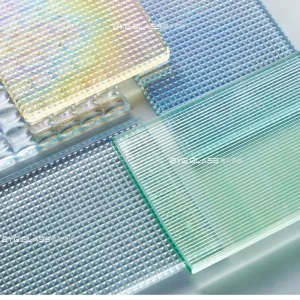
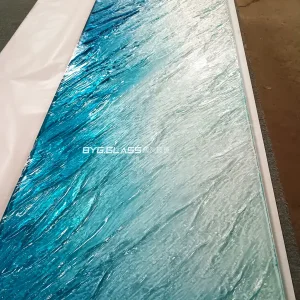
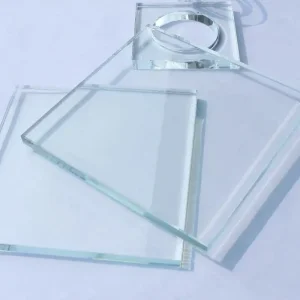
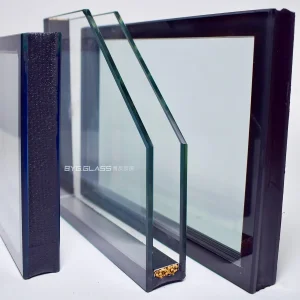
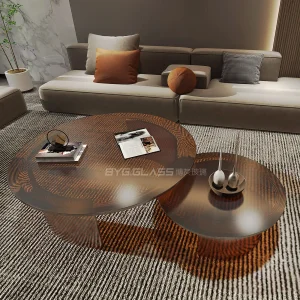
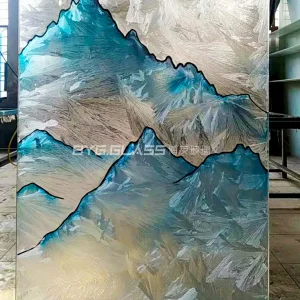
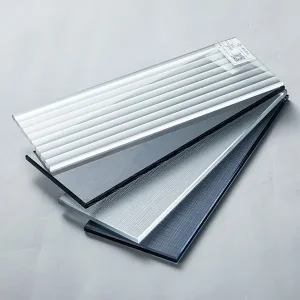
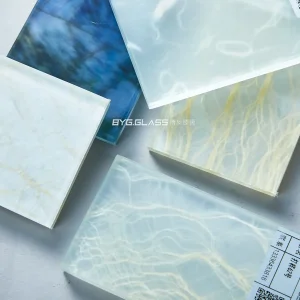
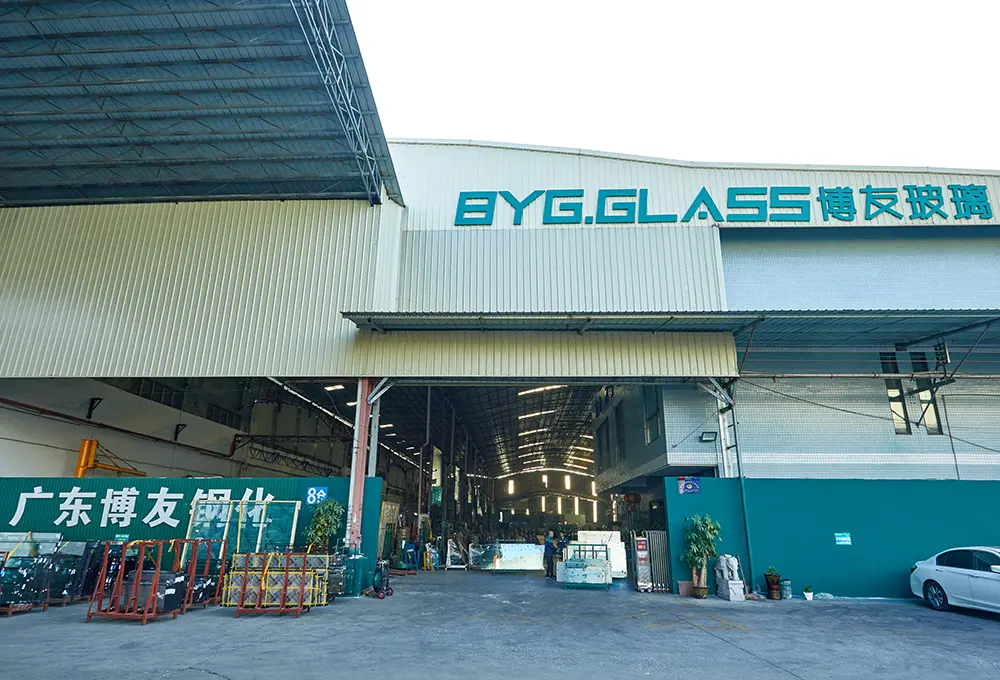
BYG.GLASS, operating under the renowned Boyou brand name, stands as a premier large-scale high-end glass source production enterprise. Seamlessly integrating advanced scientific research and development, smart manufacturing, and global sales pipelines, our products define structural integrity across commercial and residential sectors. Our manufacturing footprint covers tempered safety glass, specialized insulating double/triple glazing, custom art glass, and decorative smart home glass products.
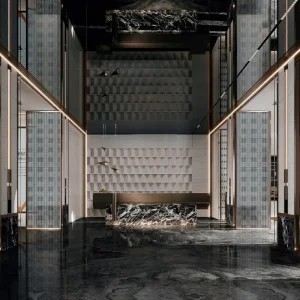
Established in 2020, BYG.GLASS has directed its expertise toward fabricating high-specification decorative and structural glass elements. We cater to domestic and international facade developers, luxury door and window brands, structural glass steps, five-star hospitality projects, high-end private clubs, and heavy-duty architectural glazing. With a deep commitment to exquisite technical precision and comprehensive quality assurance, we meet the demanding requirements of global design and engineering standards.
An engineering overview of performance under mechanical loads, impact velocities, and thermal variations.
In modern engineering and architectural design, specifying the correct safety glass configuration is vital for structural stability, life safety, and energy efficiency. While both tempered and laminated glasses are certified safety glass typologies, their mechanical profiles, failure behaviors, and chemical/physical treatments differ substantially. Understanding these technical dynamics prevents structural glass failures and ensures compliance with building codes such as ASTM C1048, ANSI Z97.1, and EN 12600.
| Property / Specification | Tempered Safety Glass | Laminated Safety Glass (PVB Interlayer) | Structural Laminated Glass (SGP Interlayer) |
|---|---|---|---|
| Mechanical Strength | 4x to 5x higher than standard annealed glass | Depends on glass plies (acts as monolithic when unbroken) | Up to 100x stiffer and 5x stronger than PVB laminates |
| Failure Pattern | Fractures into small, blunt, relatively harmless cuboid pieces | Glass cracks but adheres firmly to the internal plastic interlayer | Retains shape and structural load capacity even post-breakage |
| Acoustic Performance | Minimal dampening compared to standard float glass | Excellent sound attenuation (reduces STC ratings by up to 10dB) | Good acoustic properties with high mechanical damping |
| Edge Processing | Must be cut/drilled prior to the thermal tempering phase | Processed post-lamination or individual plies prepared before bonding | Requires precise autoclave heat-pressure handling |
| Thermal Shock Resistance | Withstands temperature differentials up to 250°C | Highly dependent on individual glass plies used | Strong resistance combined with extreme environmental durability |
Analyzing key structural demand, regulatory compliance, and economic drivers shaping glass manufacturing worldwide.
The global market for tempered and laminated glass is undergoing rapid expansion, driven by regulatory demands for energy-efficient buildings and structural architectural designs. According to recent industrial data, the demand for safety glass is growing at a compound annual growth rate (CAGR) of over 6.2% globally, with the Asia-Pacific region, North America, and the European Union representing the largest consumer hubs. China remains the dominant supplier, leveraging advanced silicon sand purification lines, cost-optimized thermal energy networks, and integrated deep-processing capabilities.
Key industrial drivers include:
Engineered performance, verified certifications, and supply chain integrity for critical construction projects.
We exercise strict control across the manufacturing chain, using high-grade float glass sheets and German-engineered tempering plants. Our finished glass exhibits a flatness error of ≤0.3mm, light transmittance exceeding 91%, and mechanical impact resistance 20% better than standard industry baselines. Our quality control keeps defect rates at ≤0.05%.
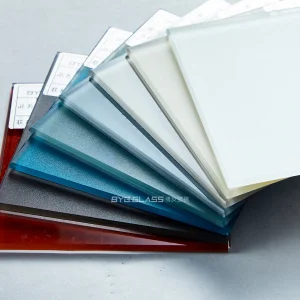
We accommodate customized thicknesses ranging from 3mm to 19mm, 12 distinct color systems (bronze, green, blue, grey, and ultra-clear options), and special functions like heat-soaking, bulletproofing, and acoustic dampening. Advanced CNC cutting and processing lines enable us to deliver complex orders within 72 hours, including bent tempered glass up to 5 meters in height.
Supported by 3 national production bases and 6 regional warehousing hubs spanning 100,000㎡, regular inventory turnover remains under 3 days. Our IoT-tracked logistics fleet provides next-day shipping within a 500-kilometer radius of our Foshan facility and complete national transport coverage in 48 hours.
We provide full project lifecycle support, from pre-selection stress calculations and wind-load consulting to mid-term site installation guidance and post-warranty services. Our engineering team is available 24/7 to provide technical support, working as collaborative partners on complex commercial installations.
An overview of the structural and material changes defining the next generation of architectural glass processing.
Integration of electrochromic and thermochromic liquid crystal layers directly into standard PVB/SGP lamination runs. This enables real-time light control, contributing to net-zero building energy targets.
Laminating and tempering extremely thin glass plies with a vacuum space in between. This achieve center-of-glass U-values as low as 0.4 W/m²K, comparable to solid insulated walls.
Integrating high-efficiency photovoltaic cells inside safety laminated glass modules for building envelopes, turning curtain walls into power generation units.
Deploying high-resolution optical inspection scanners with real-time AI modeling to identify and eliminate sub-millimeter inclusions (such as Nickel Sulfide particles) on the production line.
Tailored glass systems developed to meet challenging structural loads, seismic activities, and thermal demands.
Standard architectural glazing can shatter under severe seismic load variations. BYG.GLASS engineers custom, high-displacement structural silicone-glazed (SSG) curtain wall units. Utilizing thick SGP interlayers, our seismic glass configurations allow the building facade to absorb shear movements without structural loss or hazardous fallout.
Acoustic performance is critical for projects adjacent to highways, airports, and major transit corridors. Our acoustic lamination series utilizes multi-layer PVB acoustic interlayers, dampening sound vibrations in the critical 100 Hz to 5000 Hz frequency range. This configuration achieves Sound Transmission Class (STC) ratings up to 45, ensuring comfortable interior environments.
For coastal construction, our impact-resistant glass configurations withstand repetitive wind-borne debris strikes followed by cyclic wind pressure changes. Designed and validated under severe pressure-cycling protocols, this glass prevents envelope breach and maintains interior pressure balance during high-velocity storm events.
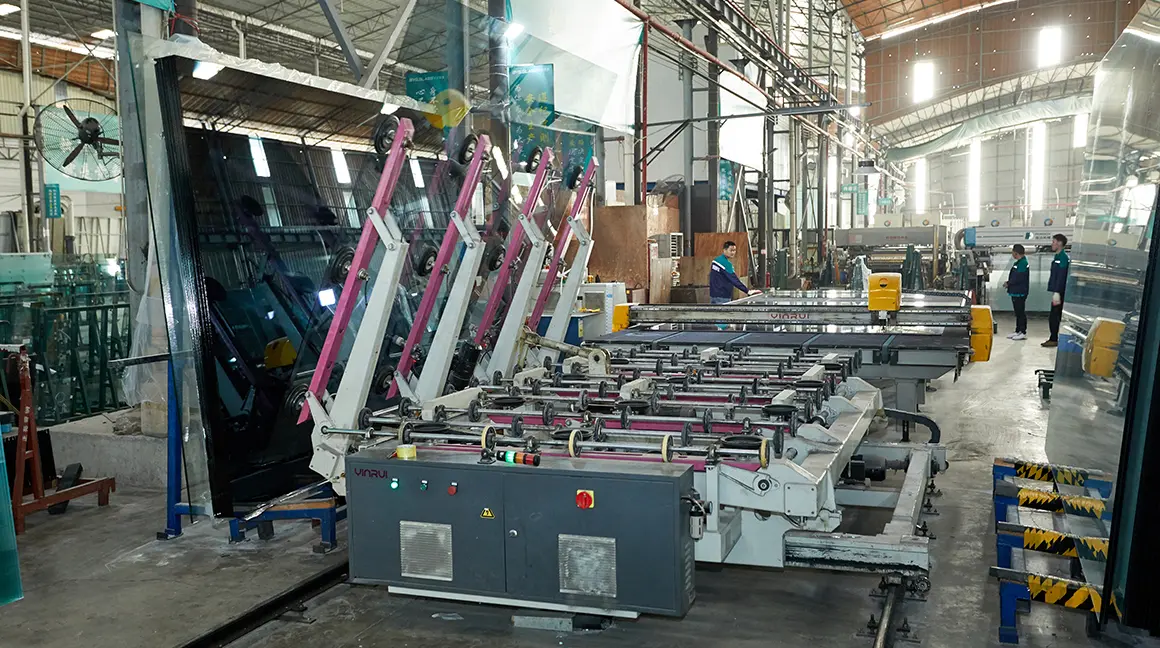
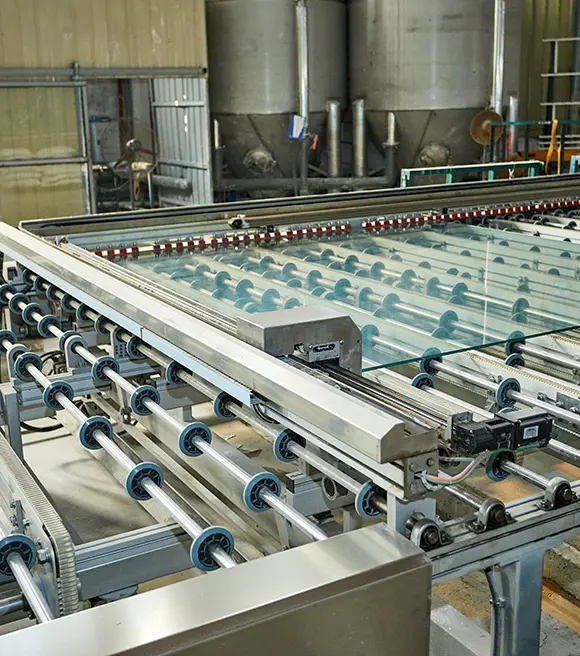
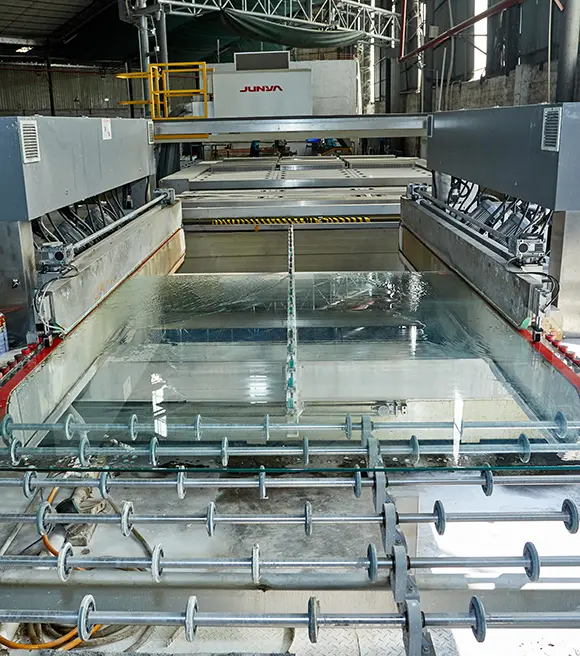
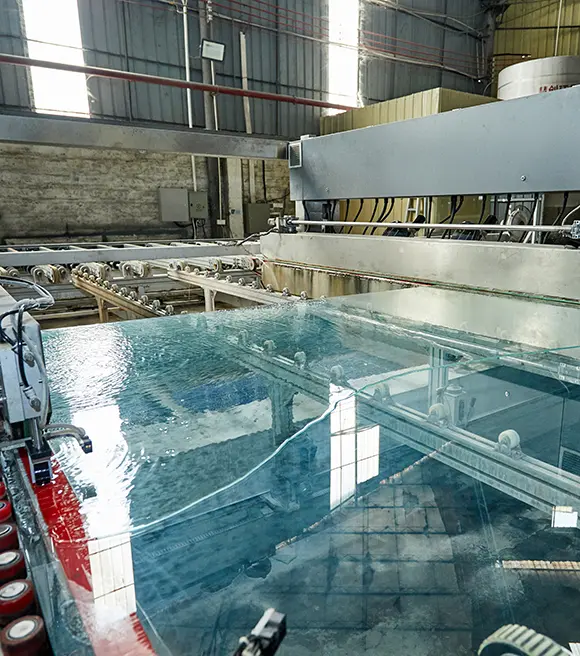
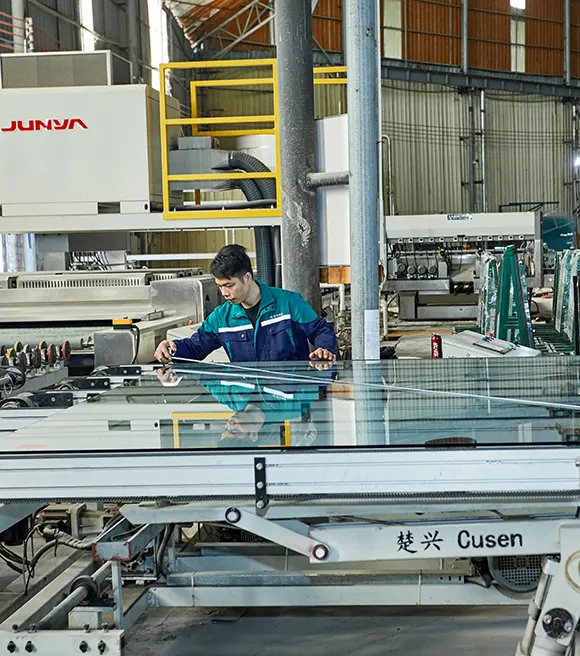
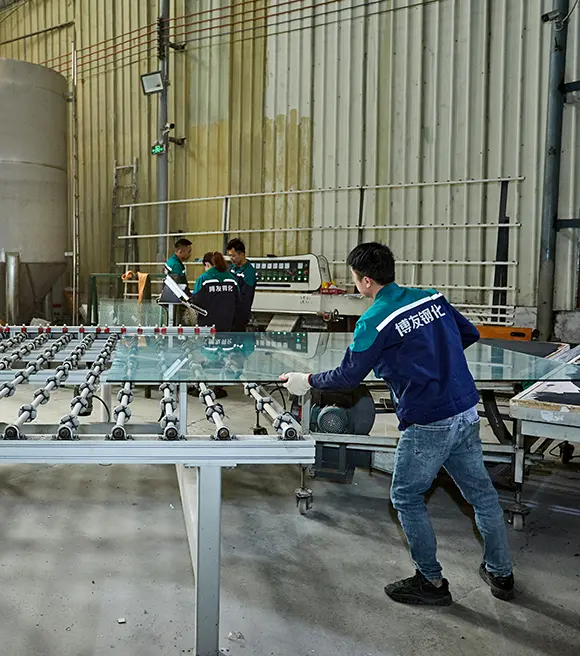
A detailed view of our tempering furnaces, cleanrooms, and automated processing lines in Foshan, Guangdong.
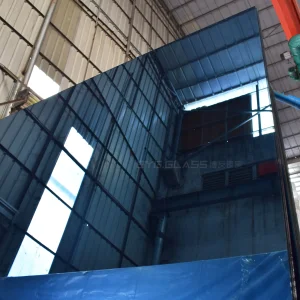
BYG.GLASS operates three specialized production divisions: Tempering, Insulating/Hollow, and Glass Technology Deep-Processing. Our facilities house modern automated convection furnaces that maintain consistent heating across complex coatings (including low-E layers), along with dust-free autoclaving cleanrooms that prevent particulate contamination during the glass lamination process.
Our container loading team manages packing and bracing protocols to ensure secure transit. Using specialized racking systems, moisture barriers, and impact-absorbing materials, we pack our glass to survive sea and land transport. The logistics chain includes real-time container tracking, complete packing lists, and certified customs clearing documents to guarantee seamless entry into international ports.
Detailed engineering answers covering specifications, thermal stresses, safety standards, and project customization.
PVB (Polyvinyl Butyral) is the standard plastic interlayer used for safety, UV block, and sound reduction. SGP (SentryGlas Plus by Kuraray) is a structural ionoplast interlayer that is 100 times stiffer and 5 times stronger than PVB. SGP is designed for high-wind loads, open edge balconies, structural glass stairs, and hurricane-rated configurations, as it retains load-bearing capacity even if both glass plies fracture.
Tempered glass can experience spontaneous failure due to microscopic Nickel Sulfide (NiS) inclusions. HST is a destructive testing method defined under EN 14179. Glass is placed inside a chamber and heated to approximately 290°C, accelerating the expansion of NiS particles. This forces unstable sheets to break in the chamber rather than on-site post-installation.
Fully tempered glass cannot be cut, drilled, or edge-worked after heat treatment; attempting to do so will cause the panel to fracture into small pieces. All sizing, shaping, and drilling must occur prior to the tempering stage. Some non-tempered laminated glass variants can be cut with specialized cooling saws, but structural tempered-laminated panels must be fully processed prior to autoclave bonding.
Low-Emissivity (Low-E) coatings are thin metallic layers deposited onto the glass surface. They reflect long-wave infrared energy (heat) while letting visible light pass through. In hot climates, the coating is placed on surface #2 (inside of the outer pane) to reject incoming solar heat. In cold climates, it is placed on surface #3 (outside of the inner pane) to retain heat within the building envelope.
Using CNC precision cutting tables and high-resolution digital grinding machinery, we maintain dimensional length and width tolerances within ±1.0mm, and diagonal tolerances within ±1.5mm. Overall surface flatness deviation is kept at ≤0.3mm across the panel length, exceeding standard ASTM and EN requirements.
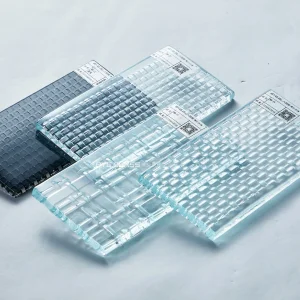
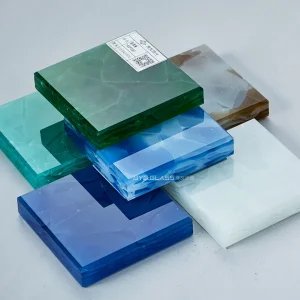
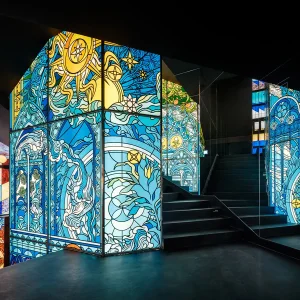
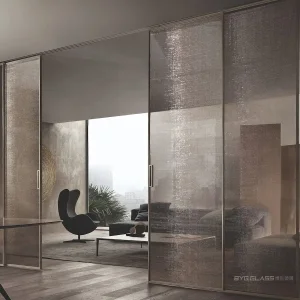
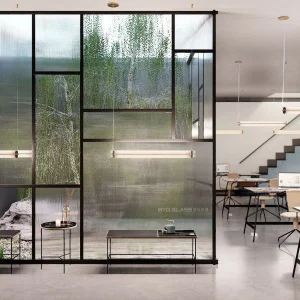
Custom decorative and structural components manufactured to international building specifications.
 BYG.GLASS