Engineered for extreme structural durability, solar management, and bespoke architectural aesthetics.
In modern structural engineering and high-end architectural glazing, quenched glass—commonly recognized under the rigorous umbrellas of thermally tempered, toughened, and rapid-chilled safety glass—represents the pinnacle of mechanical durability and thermal shock endurance. The process of controlled rapid cooling (quenching) induces high compressive stresses on the exterior glass surfaces while locking in balancing tensile stresses within the interior core. This mechanical tension matrix yields a material that exhibits four to five times the bending strength and thermal gradient resilience of standard annealed float glass.
The global market demand for premium quenched glass is surging, projected to surpass $68 Billion by 2030. Key growth drivers include the rapid expansion of ultra-tall curtain wall structures, zero-energy building envelopes requiring double and triple insulated glass units (IGUs), structural glass fins, high-durability automotive and marine glazing, and modern interior decorative partitions. China has emerged as the global epicenter of quenched glass manufacturing, leveraging state-of-the-art float lines, low-iron silica sand reserves, and automated processing ecosystems that drastically reduce lead times while offering uncompromised manufacturing precision.
Understanding the stress profile engineering, fracture kinematics, and optical quality optimization in thermal glass quenching.
During quenching, glass is heated above its transition temperature (~620°C to 680°C) until visco-elastic. Rapid jet-chilling freezes the outer surfaces immediately. As the core cools later, it shrinks, creating permanent surface compression (≥90 MPa) that stops crack propagation.
When mechanical stress exceeds ultimate tensile limit, stored core strain energy releases instantaneously. The glass disintegrates into small, blunt-edged dice-like fragments rather than sharp hazardous shards, meeting stringent global human-impact safety codes.
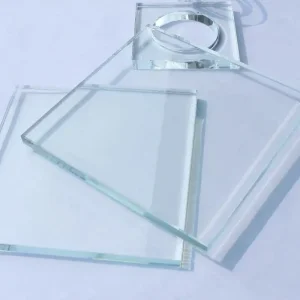
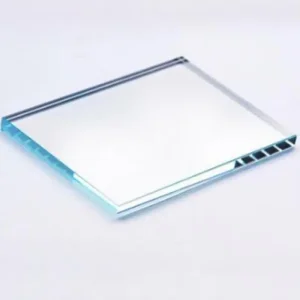
Advanced full-convection quenching furnaces maintain precise micro-zone temperature equilibrium. This prevents roller wave distortion, bow/warp deflection, and optical haze, ensuring ultra-flat architectural clarity even for heavy 19mm sheets.
BYG.GLASS, as a large high-end glass source production enterprise, sets research and development, production, and sales in one. Its comprehensive product portfolio spans high-performance quenched tempered glass, insulating glass units, art glass, custom structural cladding, and luxury home glass solutions.
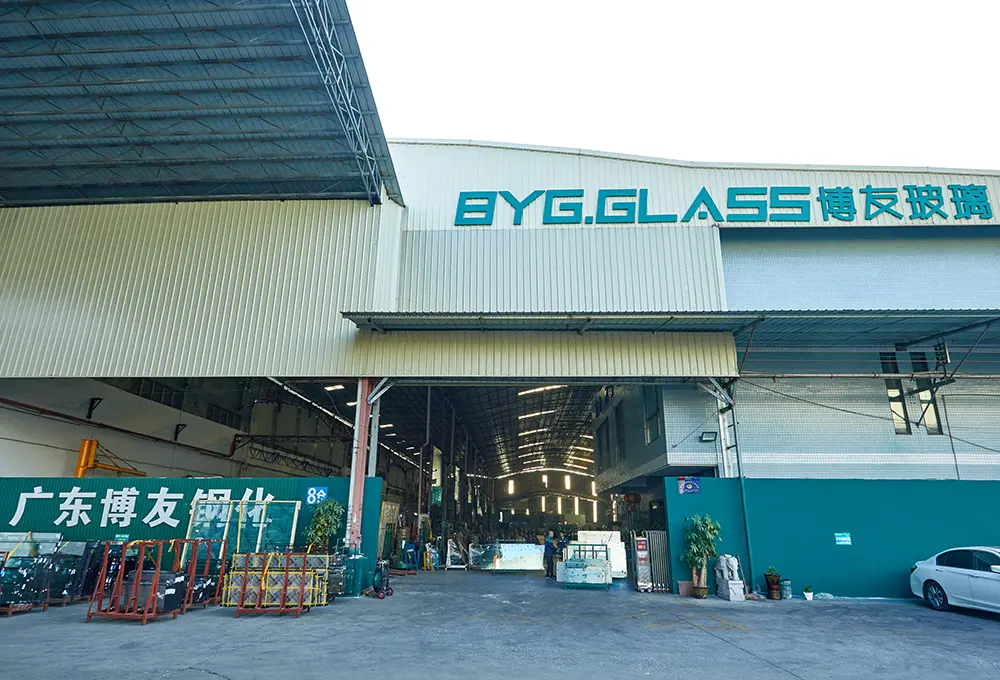
Adhering to our corporate policy: "Quality is King, Delivery First, Service First" and operational philosophy: "Stable Foundation, Change and Innovation".
Full-chain quality control, utilizing premium imported raw sheets and German-made processing equipment. Flatness error is strictly controlled ≤0.3mm, light transmittance exceeds 91%, impact resistance is 20% higher than standard industry metrics, and the finished defect rate is locked at ≤0.05%, making us an undisputed benchmark in luxury architectural glazing.
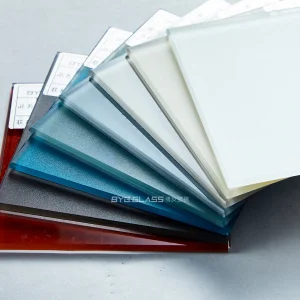
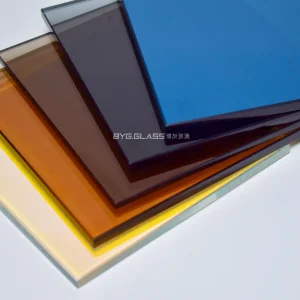
We offer full customization of thickness (3mm to 19mm), 12 rich color palette systems, and functional integrations including bulletproof, acoustical, and solar Low-E laminates. Intelligent MES scheduling ensures small-batch custom orders are dispatched within 72 hours. We have broken industry bottlenecks by successfully fabricating up to 5-meter oversize curved quenched glass.
With 3 national production bases and 6 regional warehousing centers spanning over 100,000 m², our inventory turnover turns within 3 days. Integrated IoT monitoring and global logistics partnerships enable next-day delivery within a 500-kilometer radius and 48-hour fulfillment nationwide across main industrial hubs.
We provide comprehensive pre-selection architectural consulting, mid-term structural installation guidance, and end-to-end post-warranty support. Backed by 7x24-hour dedicated customer support teams, we deliver a "consultant + butler" service ecosystem for real estate developers, façade engineers, and global importers.
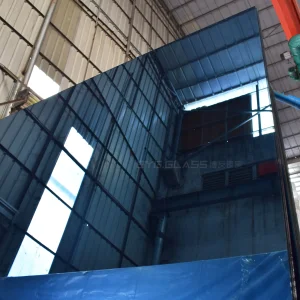
A visual tour of our automated CNC edge grinding, forced-convection quenching chambers, and rigorous quality inspection lines.
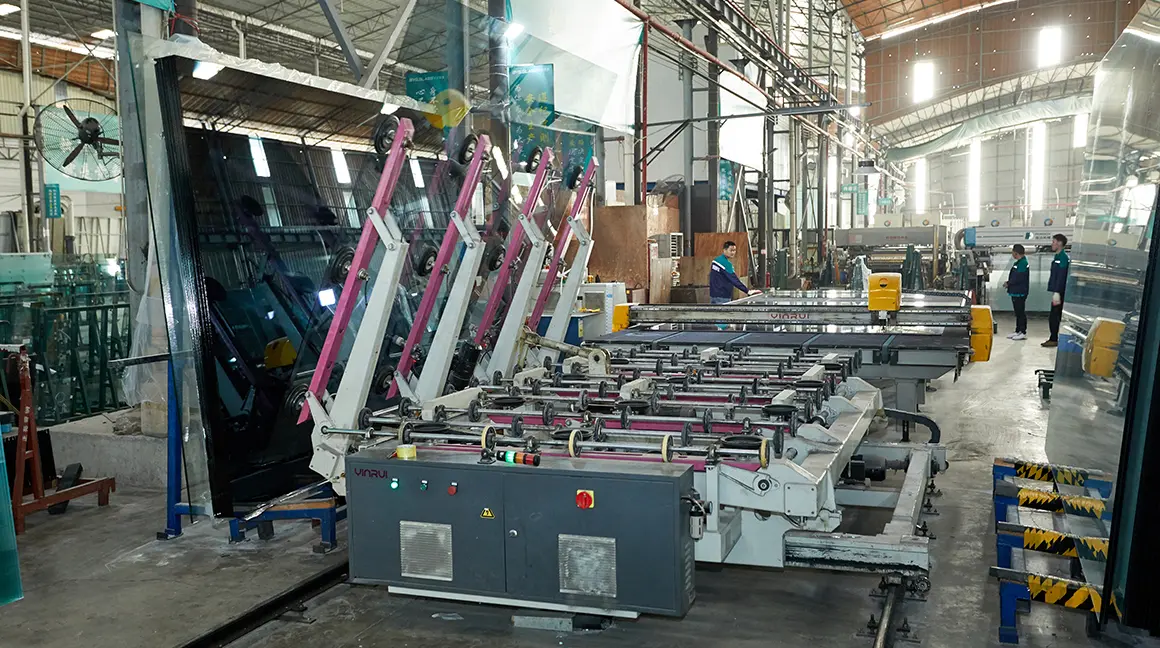
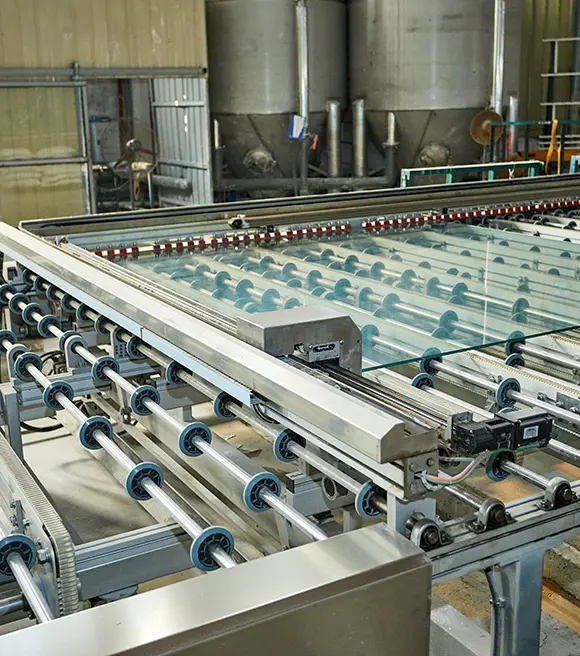
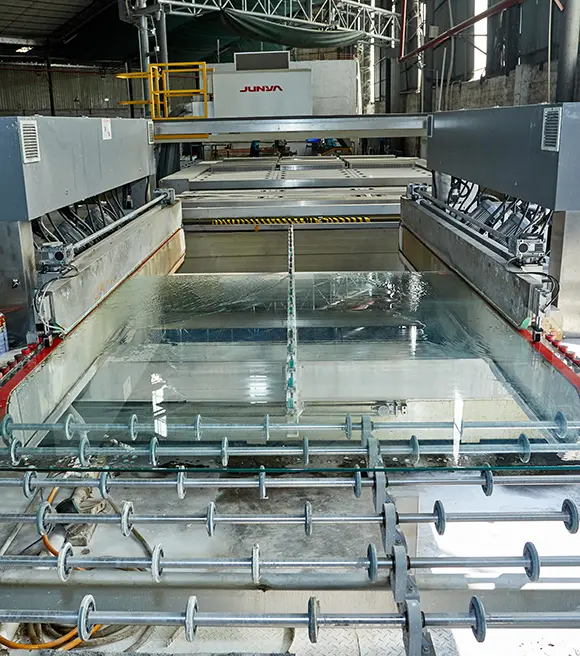
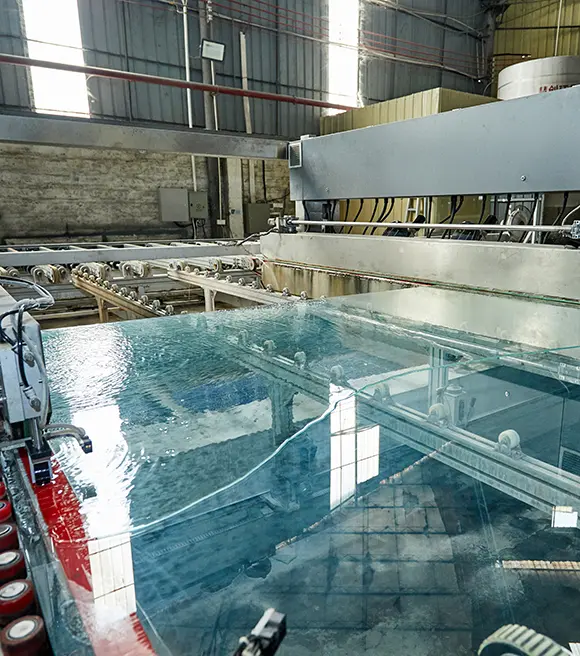
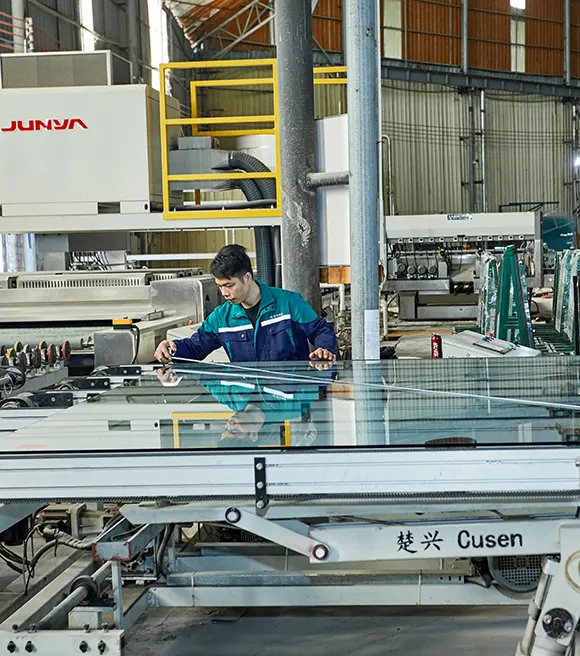
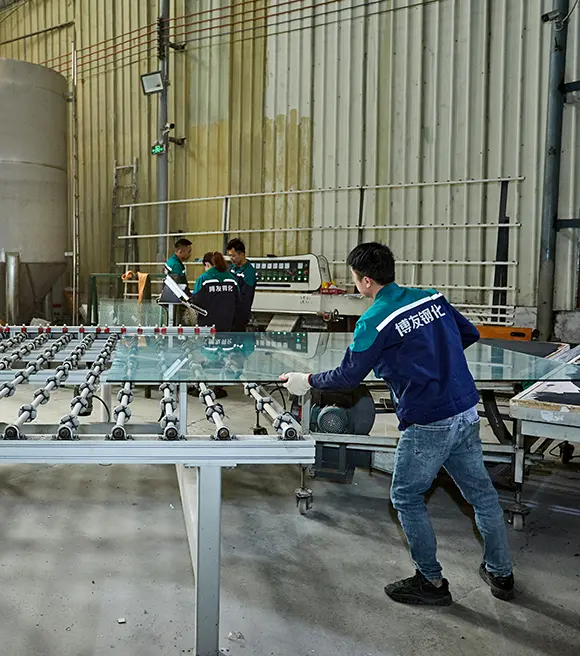
Our factory's container loading team is a highly efficient and professional group, known for its precision, speed, and seamless teamwork. With extensive export experience, the team expertly manages loading processes to ensure optimal volumetric space utilization while strictly adhering to international maritime safety protocols.
They pay meticulous attention to detail, carefully verifying shipping manifests to prevent errors, and skillfully operating heavy-duty loading equipment to safeguard fragile cargo integrity. Utilizing customized heavy-duty wooden crates, corner protection guards, and vacuum-sealed desiccant packaging, we guarantee zero breakages during transit. Whether handling urgent air-freight samples or complex multi-container ocean shipments, our team adapts swiftly to meet strict deadlines, ensuring reliable delivery worldwide.
Engineered solutions tailored for diverse high-demand global sectors.
Double and triple-glazed quenched Low-E units engineered for extreme wind-load resistance (up to 5000 Pa) and dynamic thermal insulation in skyscraper facades.
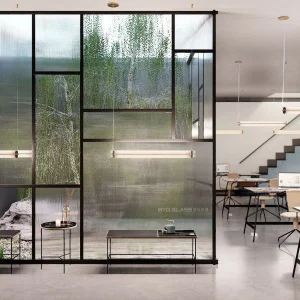
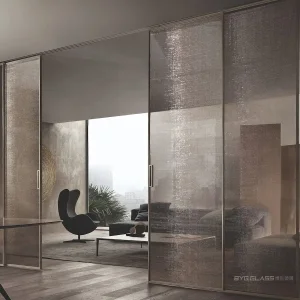
Frameless quenched glass balustrades, elevator shafts, stair treads, and acoustic partitions offering maximum transparency with supreme load-bearing safety.
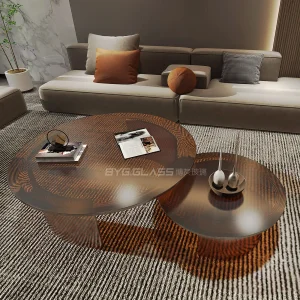
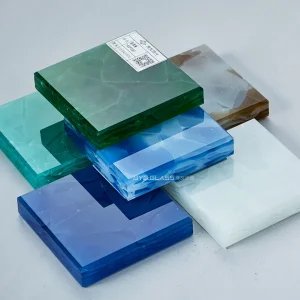
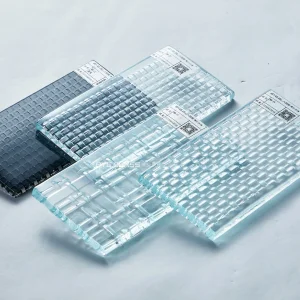
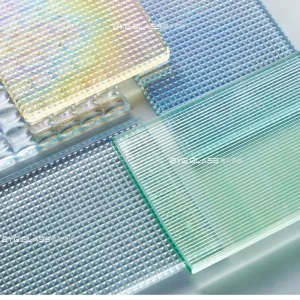
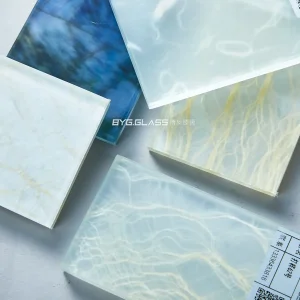
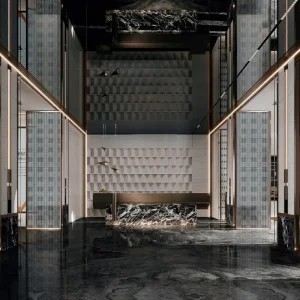
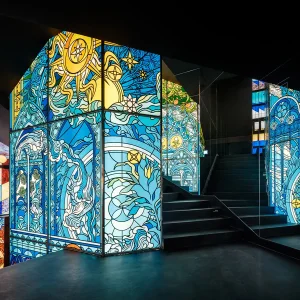
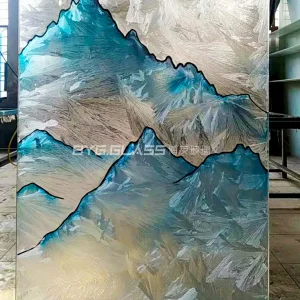
Bespoke textured fused glass, digital printed art facades, and jade composite glass tailored for 5-star hotel lobbies, luxury retail boutiques, and high-end venues.
How BYG.GLASS is driving the next generation of smart, energy-positive architectural glass fabrications.
Combining thermal quenching with PDLC (Polymer Dispersed Liquid Crystal) and electrochromic film stacks to enable instant opacity toggling, reducing building HVAC energy consumption by up to 30% through dynamic solar heat gain control (SHGC).
Pioneering ultra-thin (2mm-3mm) tempered glass substrates evacuated with high-vacuum microscopic pillars to achieve thermal U-values below 0.40 W/m²K, rivalling solid insulated brick walls in energy conservation performance.
Expert answers addressing critical structural engineering, quality control, and ordering inquiries.
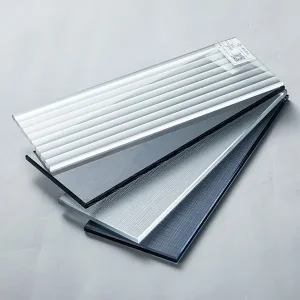
Explore our extended lineup of high-gloss, patterned, anti-glare, and smart tinting glass solutions.
 BYG.GLASS