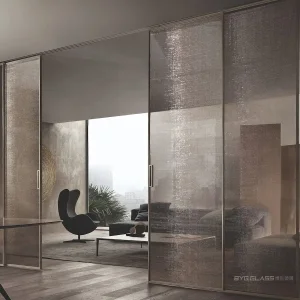
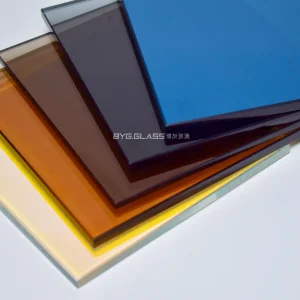
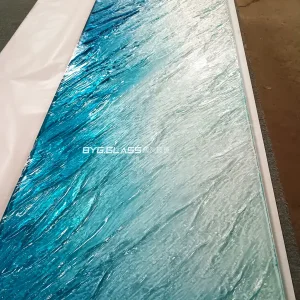
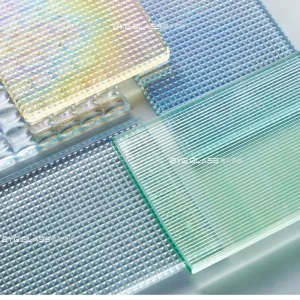
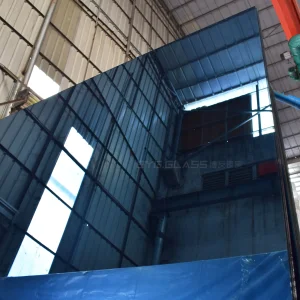
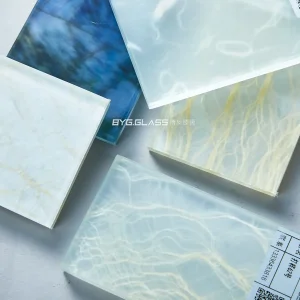
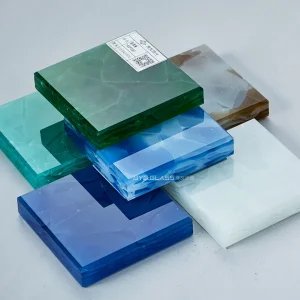
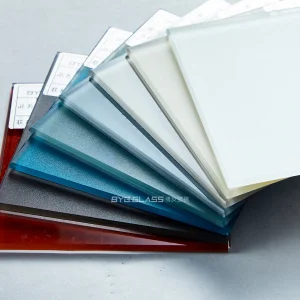
Explore our diverse range of engineering-grade structural glass products engineered for high performance, architectural beauty, and safety compliance.
An in-depth review of market demands, structural evolution, and regulatory imperatives driving modern architecture.
In the contemporary structural landscape, glass has transitioned from a simple transparent cladding component to a load-bearing structural element. Toughened Laminated Glass (also recognized as tempered laminated glass) stands at the pinnacle of this revolution. By combining the high mechanical strength of thermal tempering with the shatterproof resilience of interlayer lamination (primarily utilizing PVB or SGP materials), manufacturers are catering to unprecedented demands in modern architecture.
The global demand for high-strength safety glass is surging, propelled by aggressive urbanization, building codes that prioritize human safety, and the aesthetic push for maximizing natural light inside high-rises. According to recent industrial data, the worldwide structural glass market is growing at a compound annual growth rate (CAGR) of over 6.5%. Regions with severe weather vulnerabilities, such as coastal hurricane zones in North America and seismically active belts in Asia-Pacific, have standardized the use of high-thickness toughened laminated glass to resist impact, reduce structural deflection, and prevent fall-out hazards.
Crucially, modern green building initiatives like LEED (Leadership in Energy and Environmental Design) and BREEAM are driving the incorporation of laminated glass units featuring Low-E (low-emissivity) coatings and acoustic-grade interlayers. This technological synthesis ensures that structures achieve high thermal performance and sound insulation, satisfying both carbon mitigation goals and occupant comfort requirements.
Thermally toughened glass substrates offer 4 to 5 times the bending strength of conventional annealed glass, mitigating risks from high wind loads, thermal stress, and seismic forces.
Upon fracture, the glass fragments adhere to the internal PVB/SGP polymer interlayer, maintaining the panel's structural integrity and preventing falling shard hazards.
PVB interlayers act as efficient dampening membranes that absorb sound wave frequencies, while blocking over 99% of harmful ultraviolet radiation to protect indoor interiors.
Understanding the engineering distinction between PVB, SGP, and thermal tempering treatments for structural applications.
Selecting the appropriate interlayer and processing sequence determines whether a glass assembly meets local building regulations and structural loads. Below is an engineering comparison designed to assist architects, structural engineers, and facade consultants in making informed decisions.
For decades, PVB (Polyvinyl Butyral) has served as the industrial standard for safety glass. It offers excellent elasticity, clarity, and cost-effectiveness. However, under high structural loads or wet environments, traditional PVB can suffer from edge delamination and deflection.
In contrast, SGP (ionoplast interlayer) is 5 times stronger and up to 100 times stiffer than PVB. When SGP laminated glass breaks, the interlayer maintains structural capacity to support weight, making it ideal for frameless glass balustrades, glass floors, and hurricane-resistant facades. SGP also displays superior weathering properties, remaining highly transparent without edge defects even after years of exposure to tropical coastal humidity.
To eliminate air bubbles and guarantee a molecular bond between the glass and the interlayer, our factory operates high-pressure, thermal autoclave processing systems:
Factory Profile
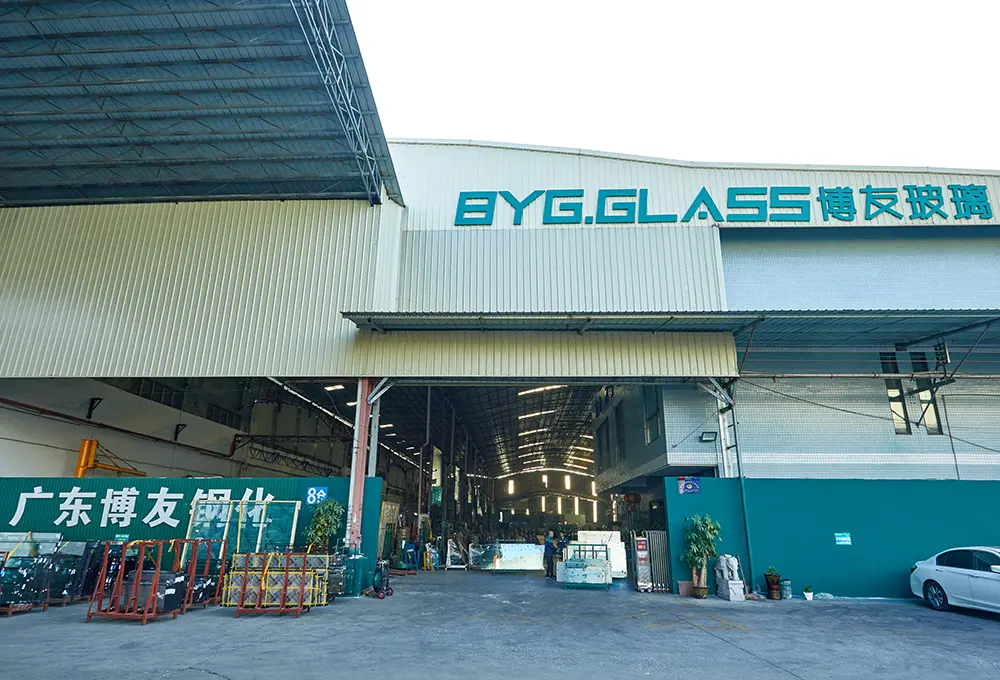
Our commitment to precision engineering, supply-chain scale, and full lifecycle support sets us apart.
Full-chain quality control using imported raw sheets and German-made equipment. The flatness error is ≤0.3mm, light transmittance exceeds 91%, impact resistance is 20% better than industry standards, and the defect rate is ≤0.05%, making us a quality benchmark in high-end fields.
Covering customization of thickness (3mm-19mm), 12 color systems, and multi-functions such as bulletproof. Intelligent scheduling ensures small orders are delivered within 72 hours. We have successfully developed 5-meter curved glass by breaking through technical bottlenecks.
With 3 national production bases and 6 regional warehousing centers (100,000㎡), regular inventory turns over within 3 days. Combined with IoT monitoring and logistics cooperation, we achieve next-day delivery within a 500-kilometer radius and nationwide coverage within 48 hours.
Providing pre-selection consulting, mid-term installation guidance, and post-warranty services, with 7×24-hour exclusive service, building a "consultant + butler"-style full-cycle support.
A visual look inside our state-of-the-art tempering, lamination, and polishing facility.
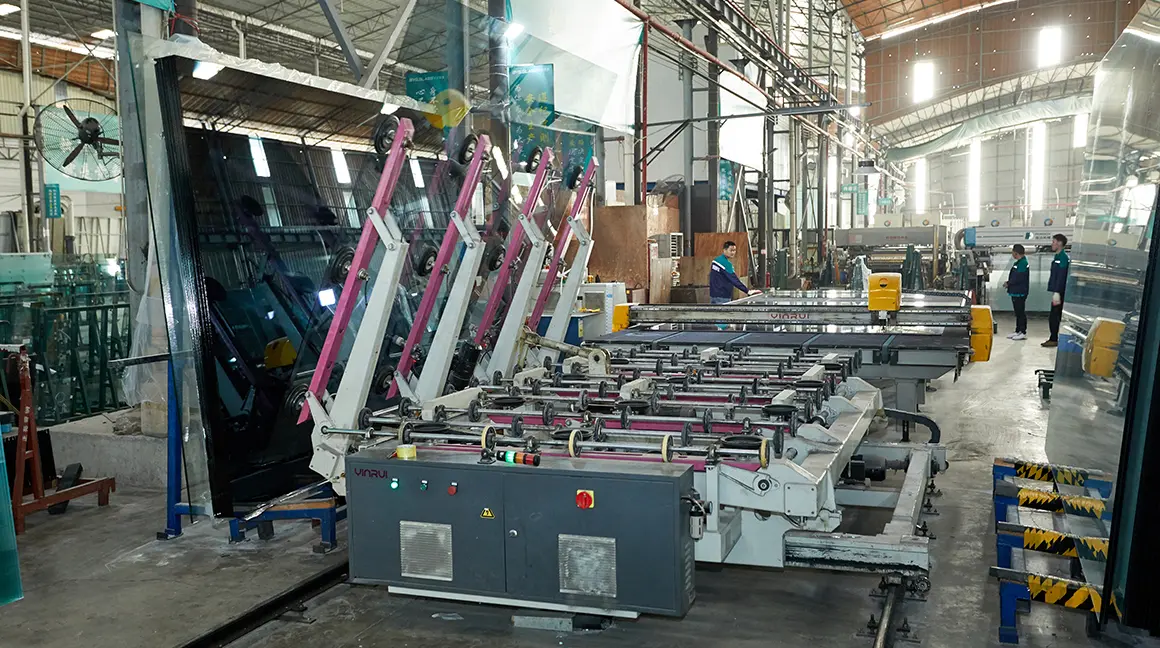
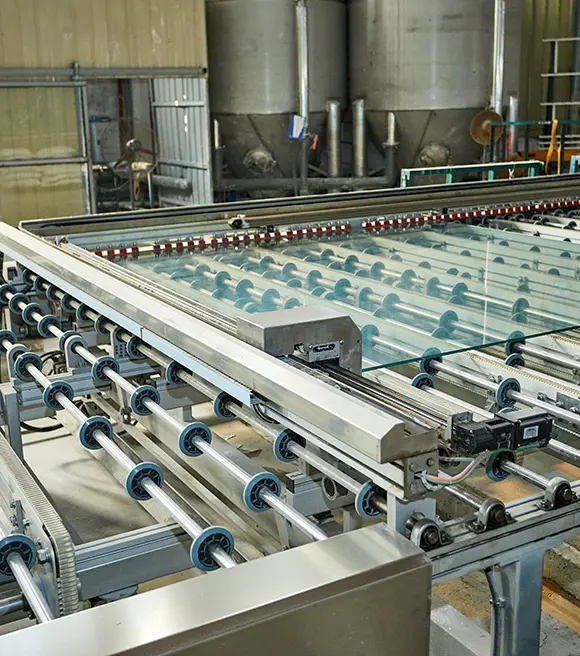
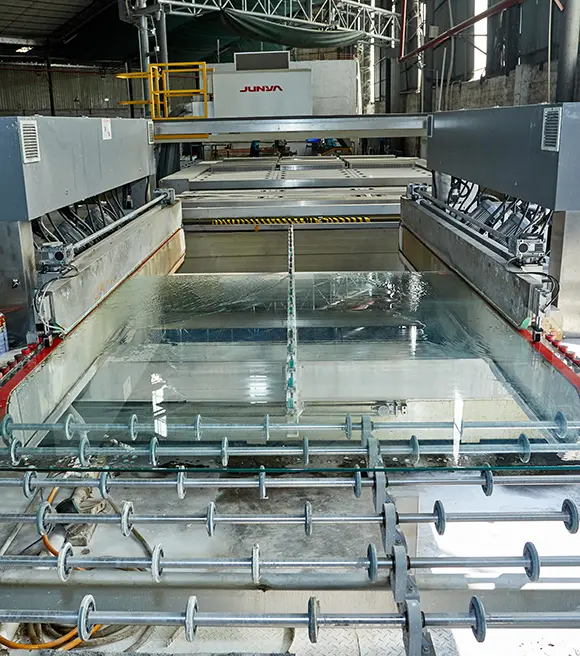
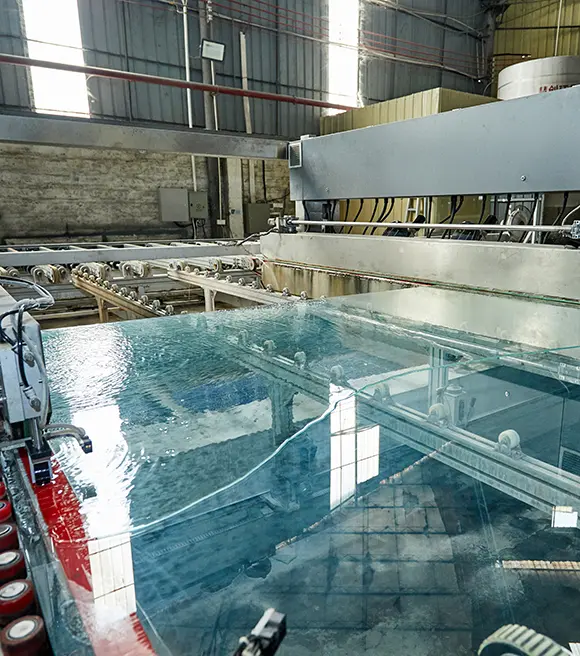
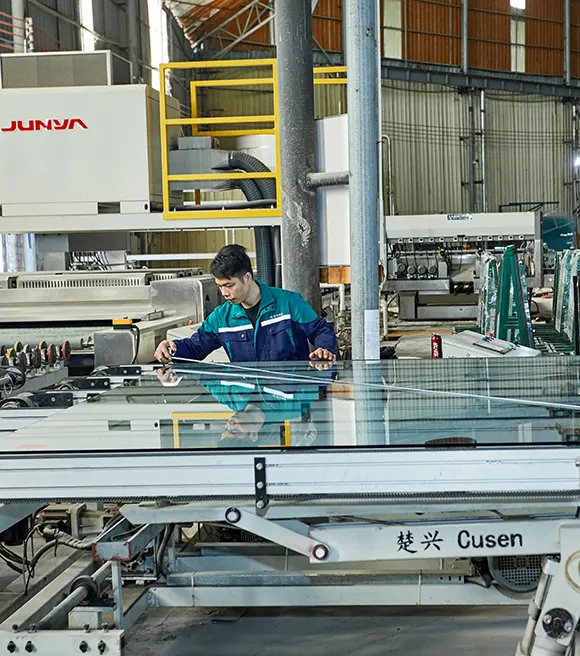
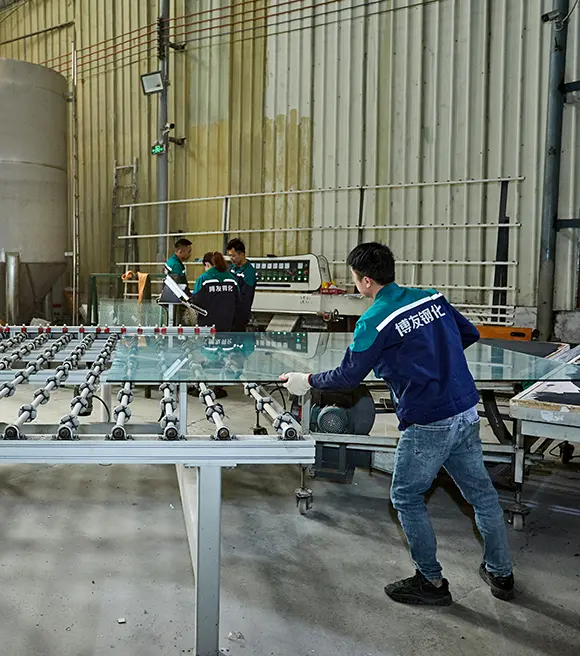
Our factory's container loading team is a highly efficient and professional group, known for its precision, speed, and teamwork. With extensive experience, the team expertly manages loading processes to ensure optimal space utilization while strictly adhering to safety protocols. They pay close attention to detail, meticulously checking shipping lists to prevent loading errors, and skillfully operate specialized loading equipment to safeguard cargo integrity.
Whether handling urgent orders or complex custom loading requirements, our team adapts swiftly to meet strict deadlines. Their strong sense of responsibility and active collaboration makes them a dependable force in the logistics chain, ensuring reliable, damage-free delivery for global customers.
How modern builders apply high-performance glass to satisfy structural engineering codes worldwide.
In hurricane-prone coastlines like Florida, the Caribbean, and Southeast Asia, structural building envelopes must pass heavy missile impact testing. Toughened laminated glass (especially with SGP interlayers) acts as a flexible shield. When wind-borne debris breaks the outer glass sheet, the inner structural interlayer remains intact, maintaining the pressure seal of the building and preventing structural roof collapse.
For glass floors, pedestrian bridges, and high-altitude skylights, glass cannot fail catastrophically. Structural laminated panels are designed with redundancy: multi-layer toughened glass with multiple interlayers. If one sheet fractures, the remaining layers are engineered to bear the design live load until maintenance crews can replace the panel.
High-density metropolitan zones require significant noise attenuation (STC ratings) to achieve comfortable office and residential environments. Sound-insulating PVB laminated glass panels are extensively utilized in building facades near airports, high-traffic arterial roads, and train lines, reducing external noise transmission by up to 39 decibels.
Get professional answers to critical technical questions regarding safety glass specifications and engineering.
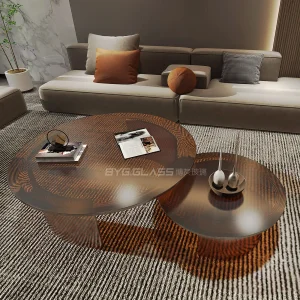
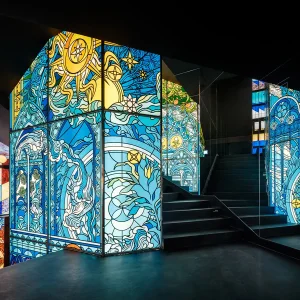
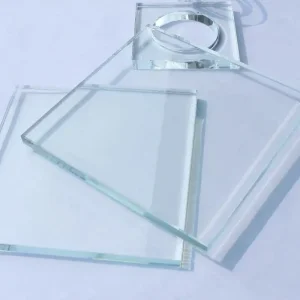
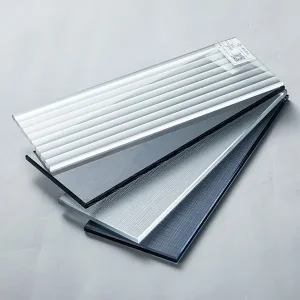
Select from our specialty line-up of anti-glare, digital-printed, smart tinting, and high-performance safety glass.
 BYG.GLASS