Engineered architectural glass products customized for commercial, residential, and institutional developments in Equatorial Guinea.
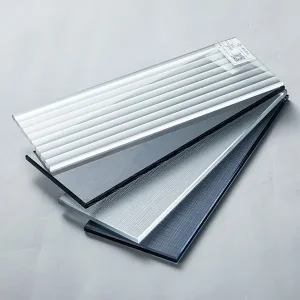
Advanced anti-reflective, low-reflection etched glass surfaces ideal for tropical high-solar building facades and luxury screens.
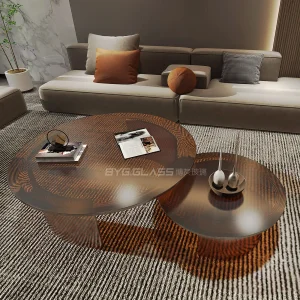
Precision-curved architectural glass delivering bold custom contours without compromising structural or wind-load resilience.
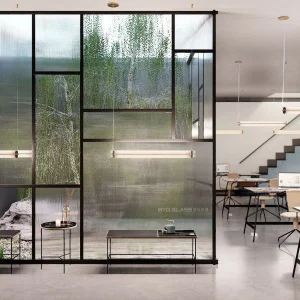
Innovative ceramic frit printing merging high-definition artistry with UV-resistant surface protection for premium facades.
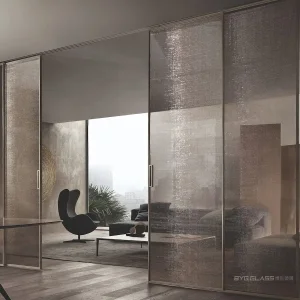
Superbly textured frosted glass paneling. Distributes ambient soft light while preventing glare and ensuring optical privacy.
Equatorial Guinea is currently undergoing a massive structural modernization phase. Anchored by the urban expansions in Malabo, the commercial pulse of Bata, and the new green administrative capital of Ciudad de la Paz (Oyala), the nation's demand for high-end, structural-grade glass has surged. As public infrastructures, financial centers, and upscale tourist developments dominate the construction pipeline, local procurement teams require materials that do not merely look aesthetic but withstand harsh local conditions.
The sub-Saharan tropical climate of West-Central Africa presents specific environmental challenges. High ambient humidity, extreme coastal salinity from the Gulf of Guinea, and relentless solar radiation demand high-performance architectural materials. Generic glass solutions suffer from accelerated seal degradation, thermal shock breakage, and loss of clarity. Our specialized Art Glass products are engineered with advanced UV-blocking properties and enhanced thermal control ratings to meet the strict demands of this microclimate.
For coastal cities like Malabo and Bata, architectural glass must demonstrate resilience to extreme salt-spray oxidation and intense tropical rainstorms.
We combine premium craftsmanship with scientific engineering to output glass products that outperform global competition.
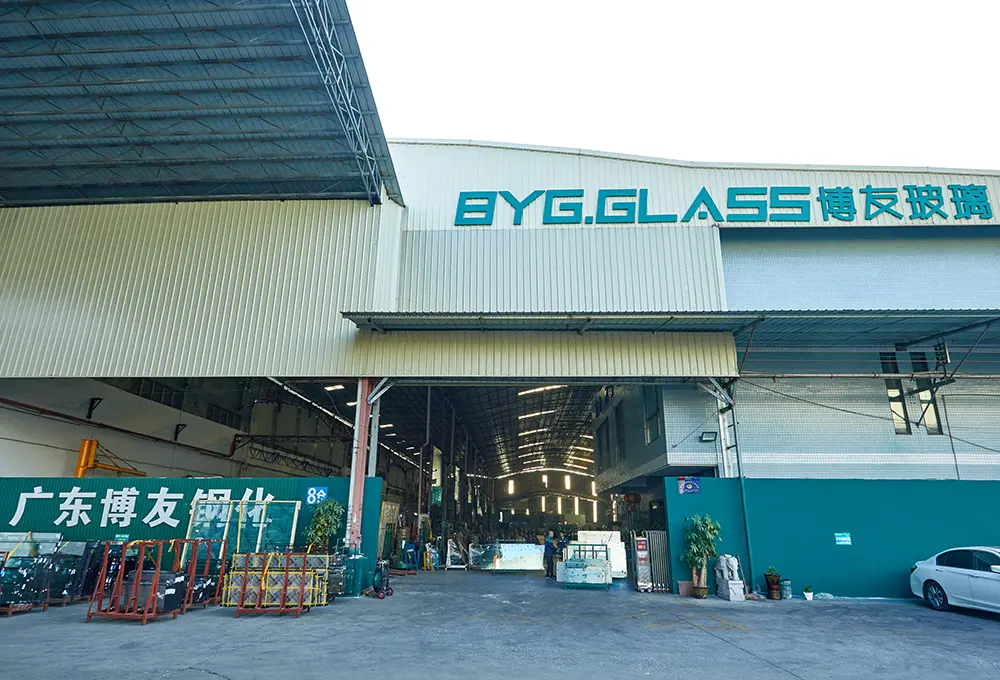
BYG.GLASS is a premier, large-scale high-end glass manufacturing enterprise. We integrate comprehensive R&D, advanced industrial production, and global export services into a singular, high-efficiency entity. Our extensive product portfolio covers tempered glass, insulated glazed units (IGU), customized art glass, and modern architectural glass designed to elevate structural integrity and design elegance.
Since our establishment in 2020, we have prioritized high-precision engineering for top-tier decorative applications. We serve high-end luxury hotels, office complexes, private clubs, residential developments, and custom renovation projects worldwide. Centered around our operational philosophy of "Quality is King, Delivery First, Service First" and a progressive mindset of "Stable Foundation, Constant Innovation", we provide reliable glass supplies to contractors operating across the African continent.
Our expansive headquarters in the Shijie East Industrial Park, Nanhai District, Foshan City, Guangdong Province covers over 20,000 square meters. Currently, BYG.GLASS manages three primary manufacturing divisions: Tempering & Hardening, Hollow & Insulation, and High-Technology Art Glass processing.
Providing the logistical support, customizable capabilities, and durability required by modern African structural projects.
Full-chain quality control using premium raw float glass and German precision processing. Our flatness error is ≤0.3mm, light transmittance exceeds 91%, and mechanical impact resistance is 20% higher than standard certifications.
Thicknesses from 3mm to 19mm, 12 major color systems, and security layers (bulletproof/blast protection). Utilizing advanced intelligent scheduling, we manufacture up to 5-meter curved glass panels to turn complex architectural designs into reality.
Backed by 3 domestic production bases and 6 regional warehouse hubs spanning 100,000㎡. Utilizing real-time IoT monitoring and streamlined shipping networks, we coordinate container logistics to ensure on-time delivery to the ports of Malabo and Bata.
Our dedicated support model delivers preliminary architectural glass selection consulting, installation guidance, and warranty tracking. With 24/7 client portal access, we provide professional assistance for overseas project coordination.
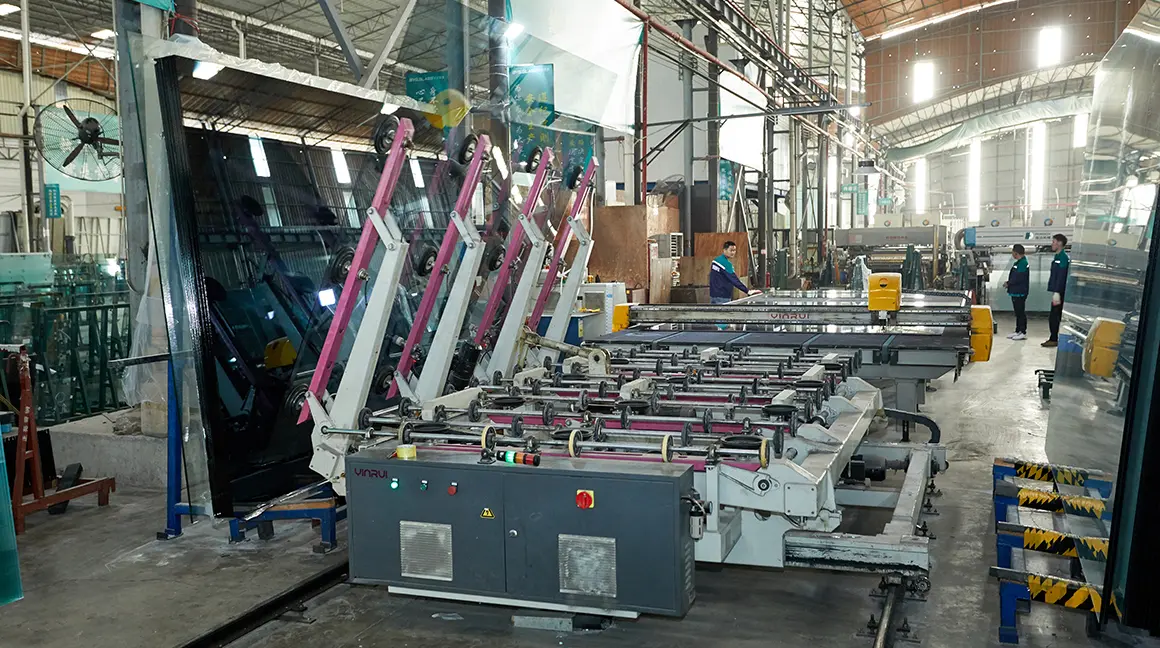
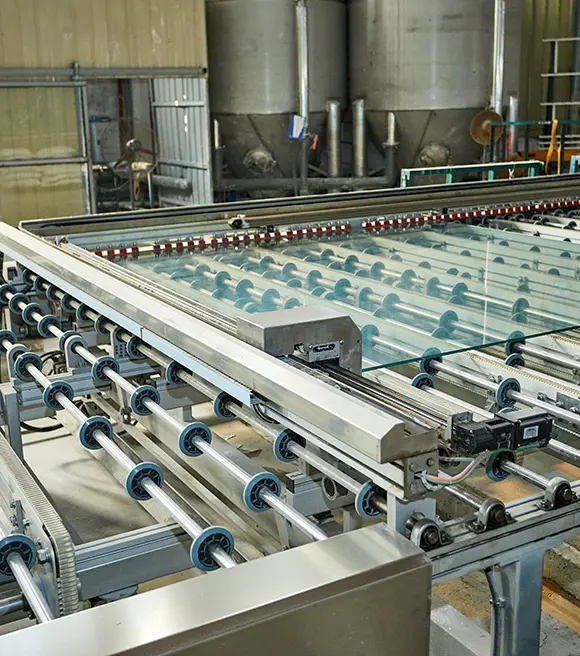
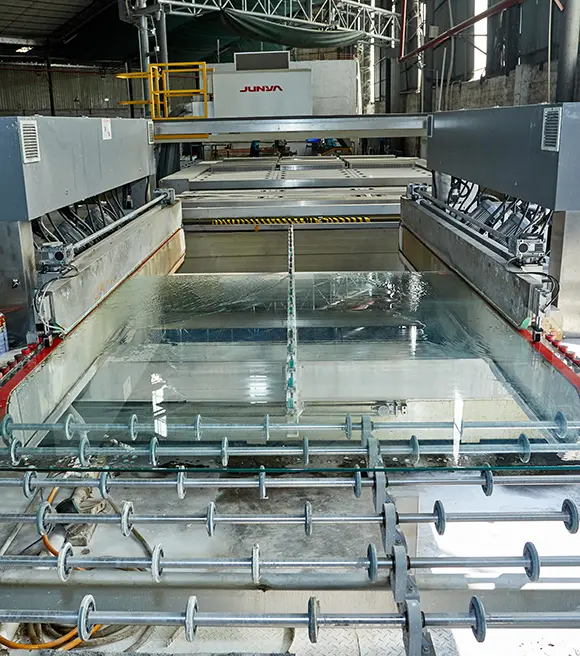
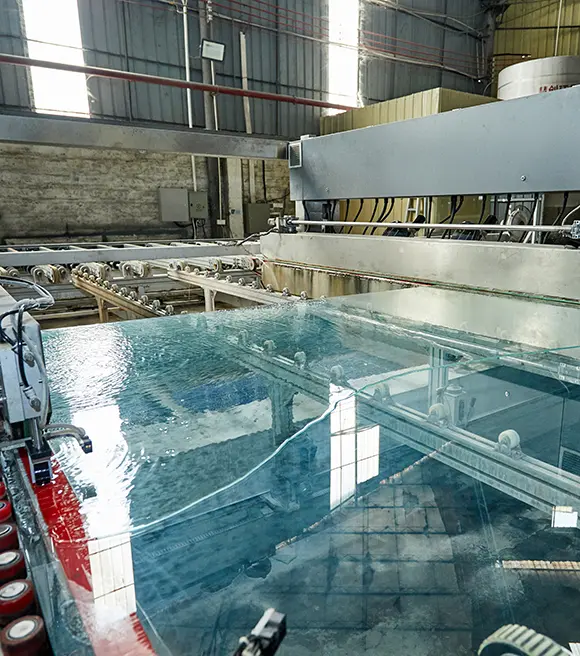
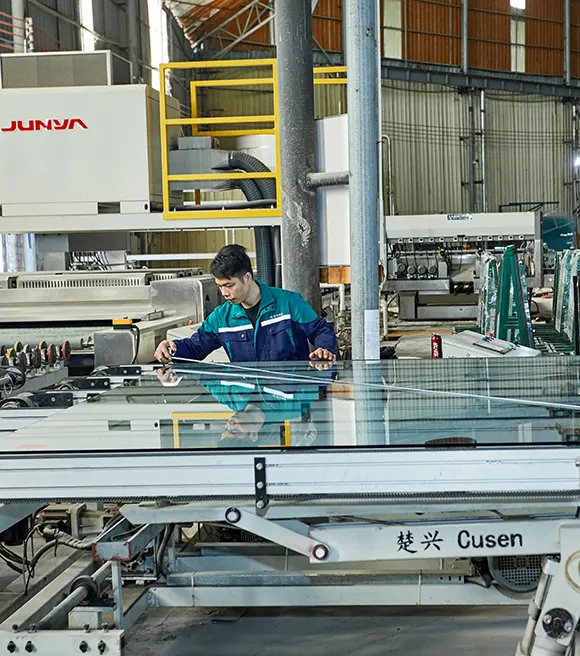
Inside our modern manufacturing plant. Where raw materials undergo precision engineering, shaping, and tempering.
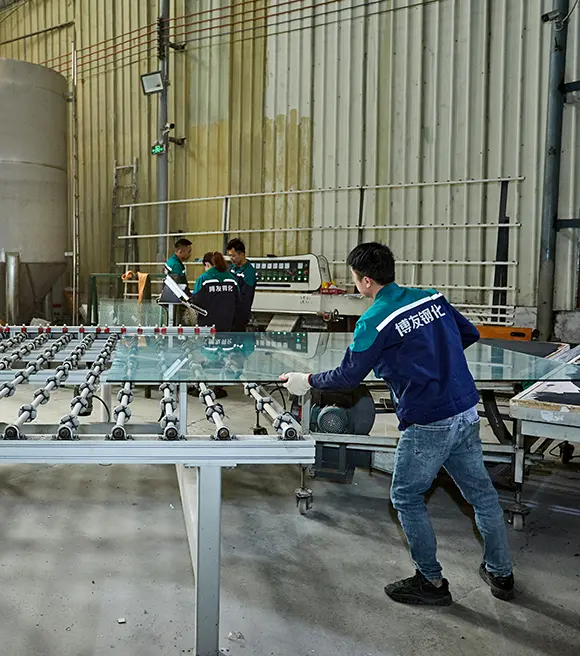
Exporting structural art glass products to Central Africa requires precise logistics coordination. Our factory's container loading team works diligently to ensure transit protection. Leveraging decades of shipping experience, our logistics team manages container layouts to maximize volume while complying with maritime safety protocols.
We inspect order manifests, protect glass panels using custom shock-absorbent packaging, and employ advanced loaders to maintain safety. This careful process protects delicate art glass designs from shifting during sea transit to Equatorial Guinea, ensuring materials arrive intact and ready for site installation.
Architectural design is shifting toward smart, energy-efficient building envelopes. At BYG.GLASS, our technical roadmap features several next-generation developments tailored to meet the needs of tropical structures:
By investing in these emerging technologies, BYG.GLASS provides modern developers in Malabo and Bata with future-ready materials that align with sustainable green-building certifications.
"Our research laboratory is currently optimizing high-durability interlayers for double-glazed and triple-glazed units. These interlayers are formulated to resist delamination under continuous exposure to extreme humidity and UV radiation, extending the functional lifespan of modern facades in Equatorial Guinea."
Select from our architectural glass catalog, engineered to meet the structural and aesthetic requirements of Central African projects.
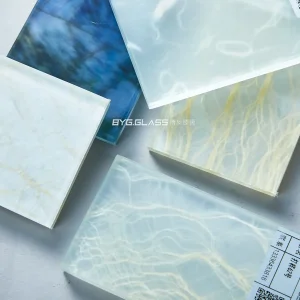
Combines physical security and shatter resistance with custom-colored metal meshes embedded within safety laminations.
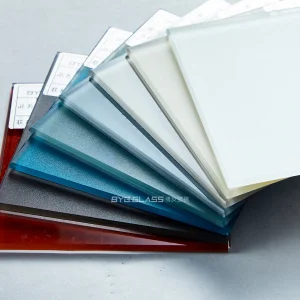
Specially cured, high-gloss back-painted glass panels featuring scratch-resistant coatings for high-traffic wall claddings.
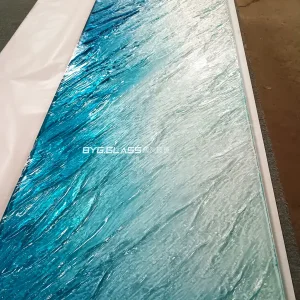
Heavy-duty carved glass panels with custom patterns, providing depth and light refraction for government buildings.
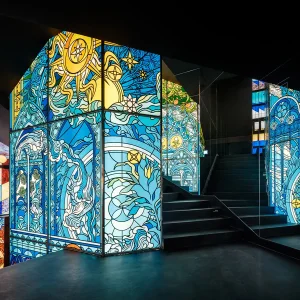
Engineered stained glass utilizing reinforced safety lead lines and UV-insulated glass units for spiritual spaces.
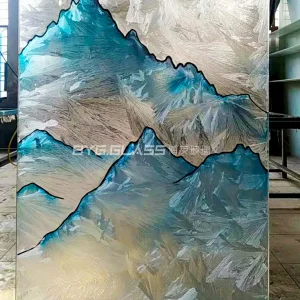
Combines traditional enamel art techniques with modern glass tempering to create dynamic, colorful exterior panels.
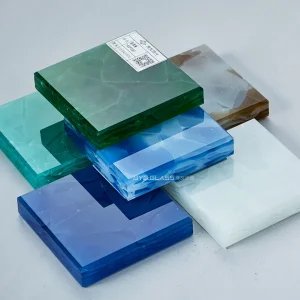
Translucent jade composite layers bonded with safety glass, ideal for backlit countertops, walls, and feature panels.
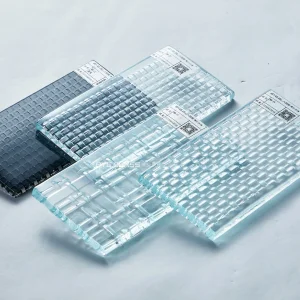
Thick, kiln-cast structural fused glass cladding featuring organic sand textures that scatter direct tropical sunlight.
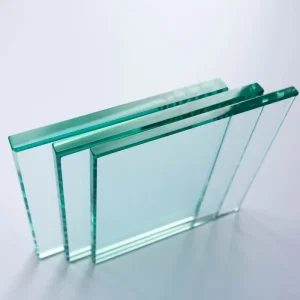
Superb flatness and high thermal stress durability. Meets European and American safety glazing standards for high-rise facades.
Importing structural glass into the CEMAC region (Economic and Monetary Community of Central Africa), which includes Equatorial Guinea, requires strict adherence to trade and safety documentation. BYG.GLASS ensures all container shipments are accompanied by complete certifications to expedite customs clearance at the ports of Malabo and Bata.
Our export compliance framework guarantees that all shipped architectural glass meets the following international standards:
We provide full administrative documentation to simplify port clearance processes in Equatorial Guinea, including:
Detailed technical answers addressing procurement, engineering, and logistics questions for the Equatorial Guinea market.
 BYG.GLASS