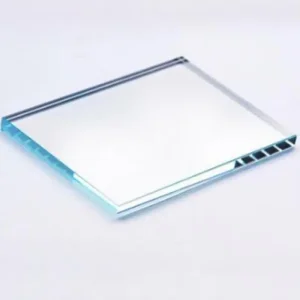
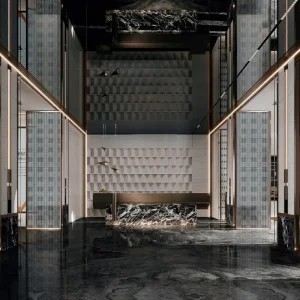
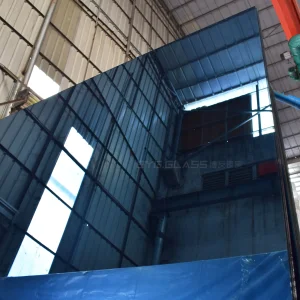
Optimized for Lisbon's climate and modern building standards
A Comprehensive Market Report on Sustainable Infrastructure, Thermal Comfort & Supply Chain Resilience
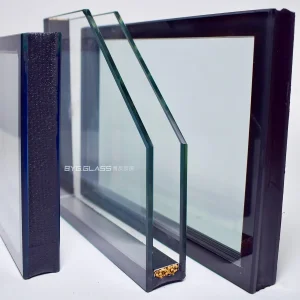
Lisbon, characterized by its Mediterranean climate with mild, wet winters and warm, dry summers (Köppen climate classification *Csb*), presents a unique challenge for modern building envelopes. The city experiences high solar exposure, which necessitates glazing configurations that minimize solar heat gain (SHGC) while maintaining optimal daylight transmission. Historically, buildings in the Baixa Pombalina and Alfama districts featured traditional single glazing, which lacks thermal efficiency. Today, as urban renewal swept through Lisbon under the EU Energy Performance of Buildings Directive (EPBD), developers are retrofitting historical facades with high-performance insulated glass units (IGUs) that preserve visual character while satisfying modern envelope regulations.
Furthermore, Lisbon’s proximity to the Atlantic Ocean exposes coastal structures—from Cascais to the modern business hubs of Parque das Nações—to highly corrosive marine environments. Salty air and structural thermal dynamics call for premium-quality sealants (such as PIB primary seals and structural silicone secondary seals) to prevent premature seal failure and internal condensation in IGUs. For commercial high-rises and residential complexes alike, proper specification of double or triple glazing with Low-E coatings is critical to achieving ADENE Class-A energy ratings.
"The integration of modern solar control glass into Lisbon's historical fabric requires a delicate balance of acoustic insulation (to combat urban noise pollution) and low U-values to control winter heat loss and summer heat gain."
This climate-driven requirement is shaping a booming market for premium architectural glass. Developers are moving away from standard float glass toward complex configurations, including warm-edge spacers, gas-filled cavities (Argon 90%), and solar-control coatings. The goal is clear: lower mechanical cooling demands in July and heat retention during damp January nights.
Achieving U-values below 1.1 W/m²K in Portuguese construction projects using state-of-the-art Low-E double and triple glazed units.
Mitigating heavy city traffic and tram noise in central Lisbon with asymmetric laminated glass structures designed for high Rw ratings.
Maintaining high daylight transmittances while effectively blocking solar radiation heat to lower building air conditioning loads.
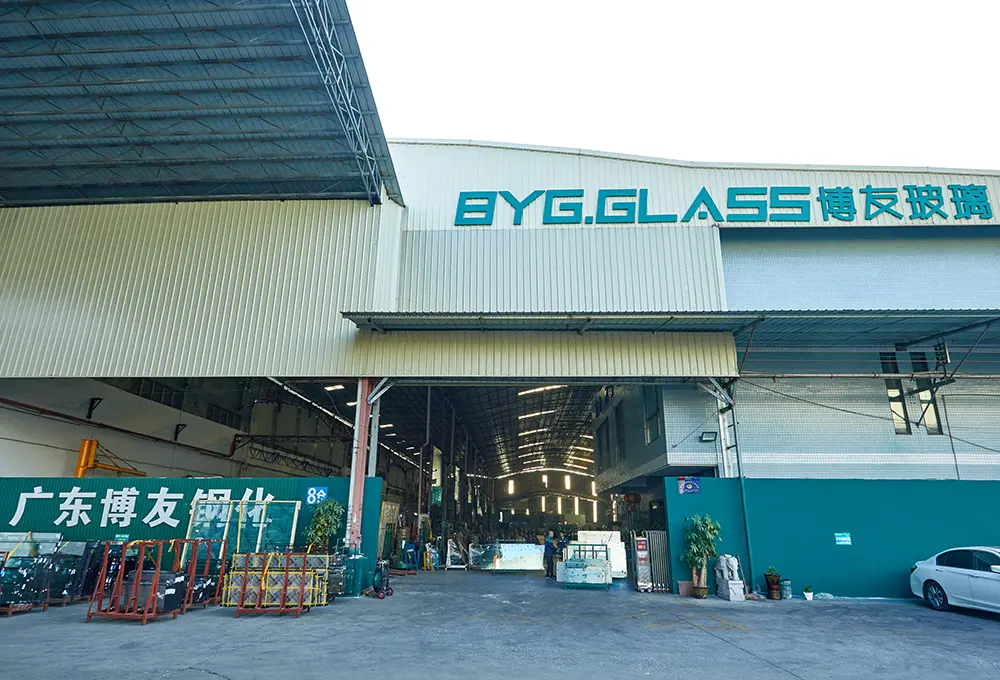
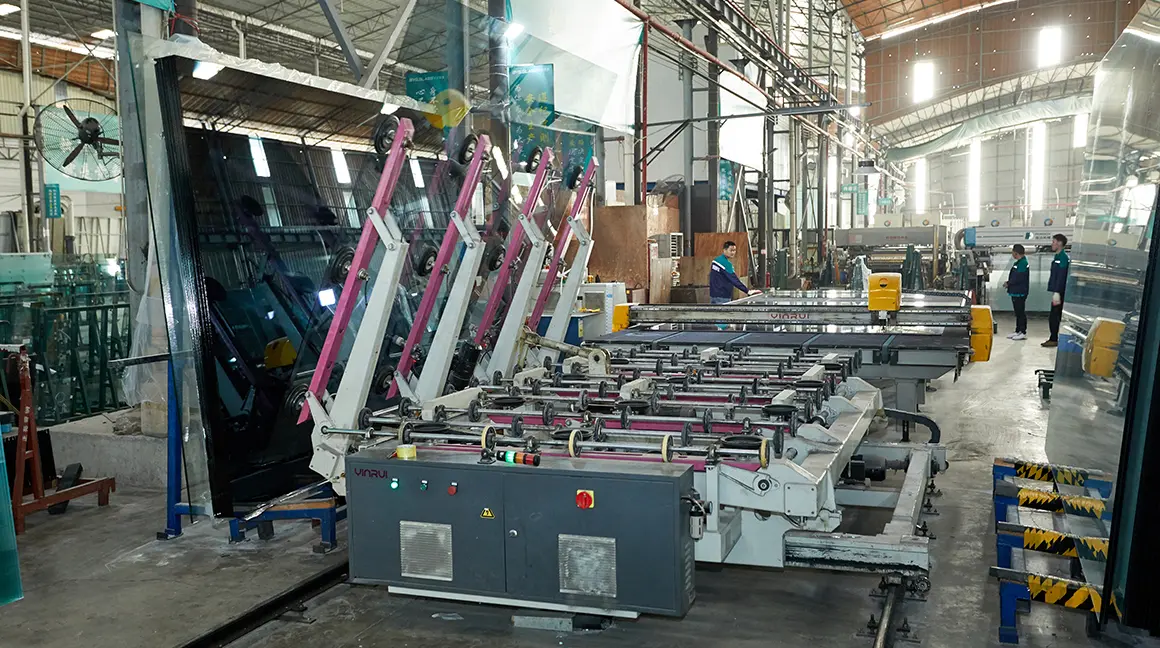
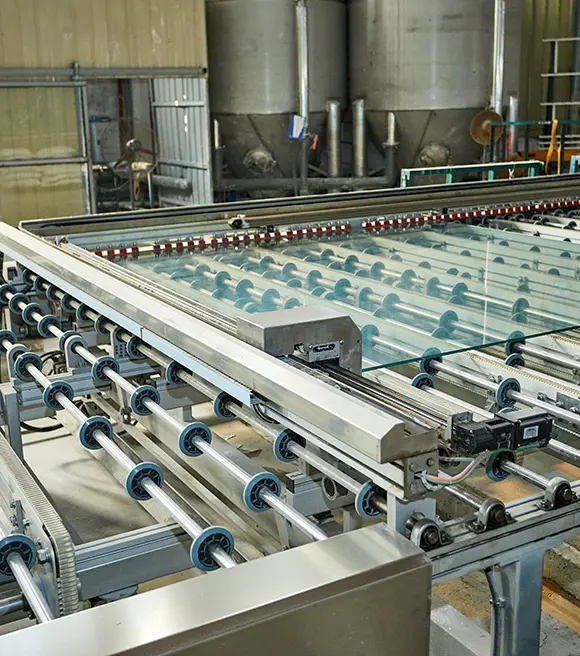
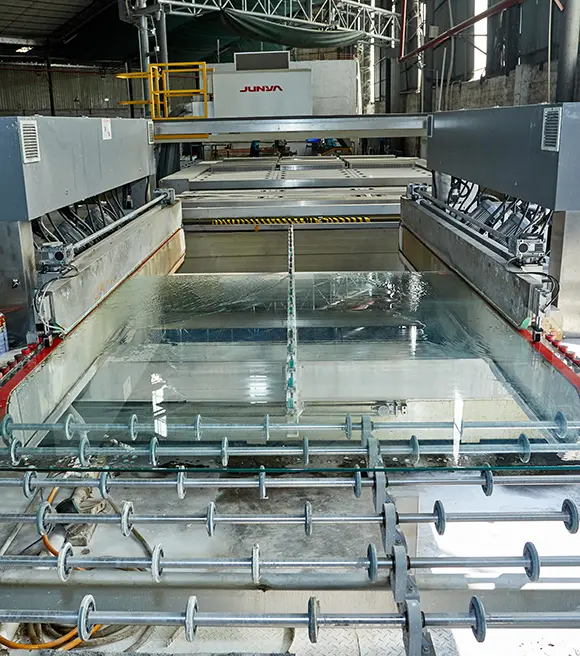
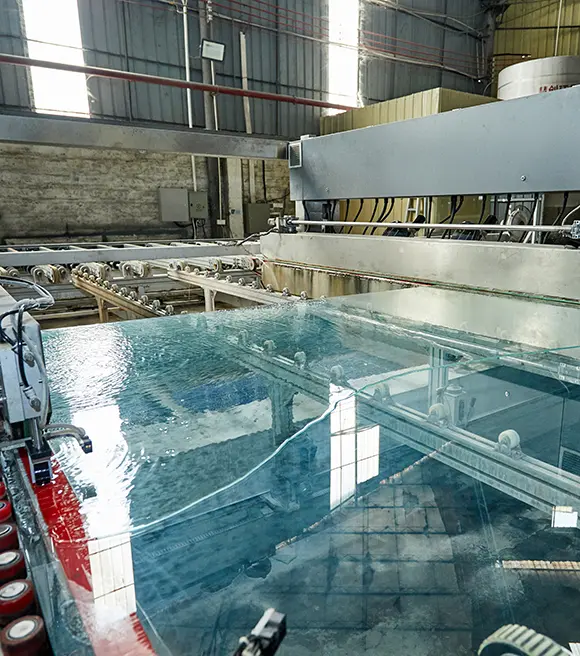
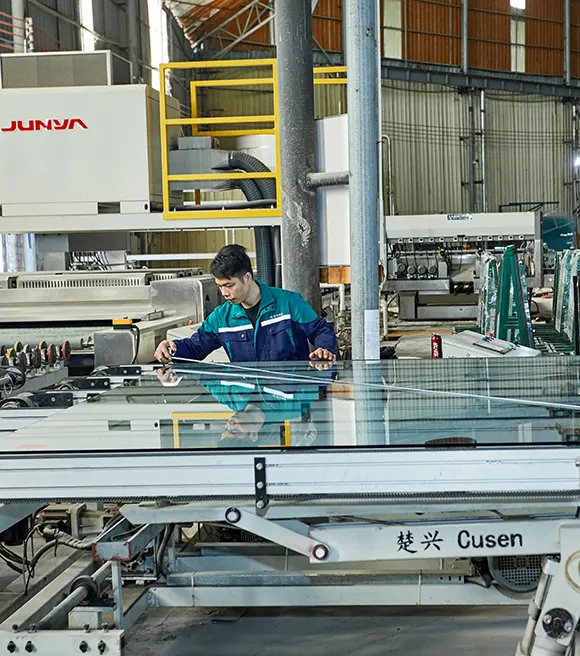
In the global real estate and contracting markets, European procurement managers increasingly turn to advanced manufacturing clusters to source materials that meet local regulatory standards. The integration of China's "Industry 4.0" initiatives into glass production has completely transformed the economics and quality of architectural glazing. Advanced automation—including CNC glass cutting tables, automated spacer bending, and robotic dual-component silicone sealing extruders—minimizes human error and maintains unmatched geometric consistency.
For a developer in Lisbon, direct sourcing from a highly integrated factory in China offers profound advantages:
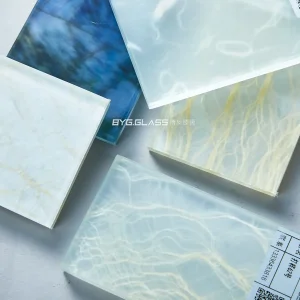
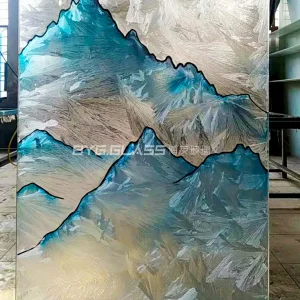
BYG.GLASS Corporate Overview: Established in 2020, BYG.GLASS has positioned itself as a premier high-end glass manufacturer. Our operations integrate research, development, and production. Our core portfolio spans tempered, insulated, smart-tinting, and bespoke decorative art glass. Operating from our state-of-the-art facility spanning over 20,000 square meters in Shijie East Industrial Park, Nanhai District, Foshan City, Guangdong Province, we serve as a benchmark supplier for premium projects globally.
Providing end-to-end quality and delivery security for European construction contracts
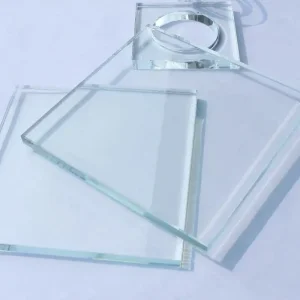
Full-chain quality control, utilizing premium raw sheets and precision German-engineered equipment. Flatness error is restricted to ≤0.3mm, light transmittance exceeds 91%, and mechanical impact resistance exceeds industrial baselines by 20%.
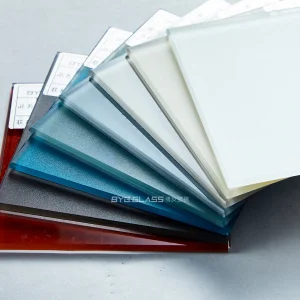
We customize thickness ranges from 3mm to 19mm, offer twelve distinctive color profiles, and integrate advanced solar, thermal, and ballistic properties. Our breakthroughs in curved glass tempering allow custom structures up to 5 meters in height.
Supported by three modern national production centers and a 100,000㎡ storage system. Standard raw stock rotations keep lead times short. Advanced IoT asset tracking keeps you updated from our production floor straight to the Port of Lisbon.
From pre-construction design assistance, load calculations, and acoustic profiling to remote installation supervision. Our 24/7 dedicated engineering support represents a true professional-grade partnership for global contractors.
Uncompromising processes and materials that exceed international standards
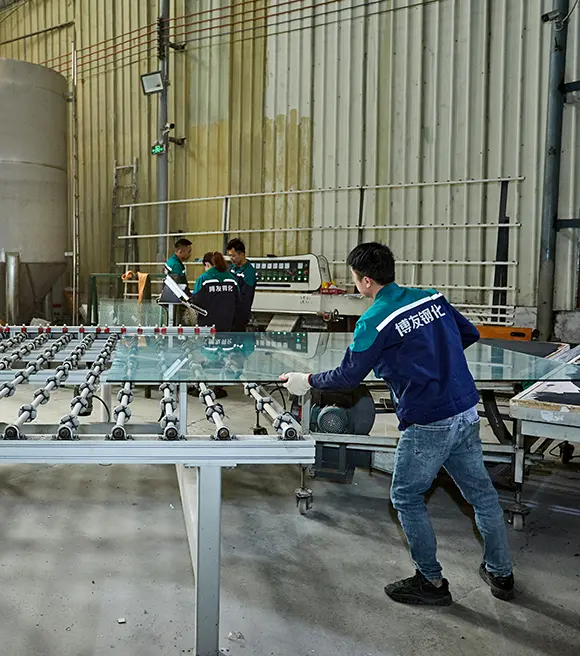
Exporting high-tonnage architectural glass across continents demands robust logistics engineering. Glass is dynamic and heavy; without precise packing, ocean swell harmonics can cause catastrophic breakage. Our factory's container loading team is a highly specialized logistics group, known for its precision, speed, and safety compliance.
We build heavy-duty, moisture-resistant solid wood or plywood crates constructed with internal protective cork pads and desiccant packs to prevent condensation damage during transit through varying ocean climates. Each container is mapped using custom software to optimize weight distribution, and secured using heavy-duty webbing and timber bracing. Whether handling complex mixed-thickness orders or extra-long glass plates, our teams secure the cargo to guarantee damage-free arrival at the Port of Lisbon.
Technical guidance and commercial parameters for Lisbon developers and general contractors
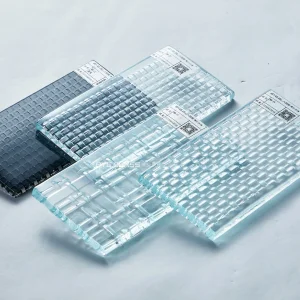
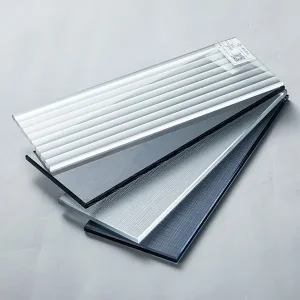
Explore our specialized range of certified structural, safety, and decorative products
Get in touch with our engineering team for technical reviews, load analysis, customized configurations, and competitive wholesale quotes.
Request Architectural Catalog & Quote BYG.GLASS